In this Page
A living empire.
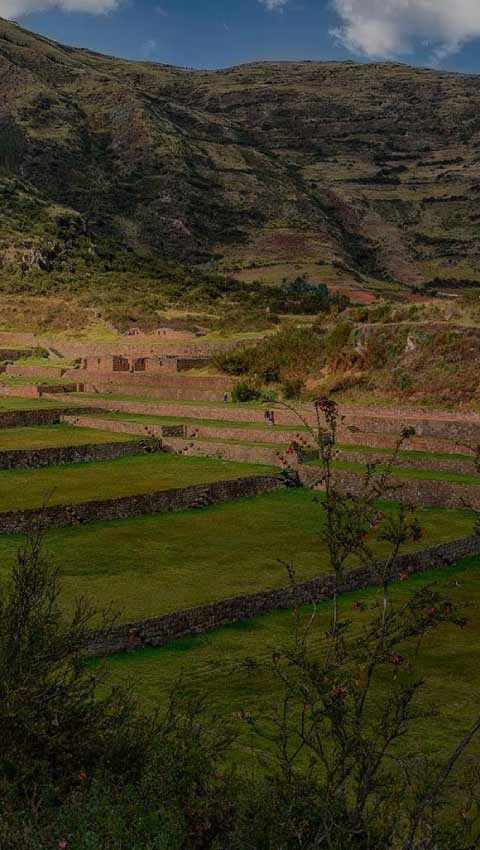
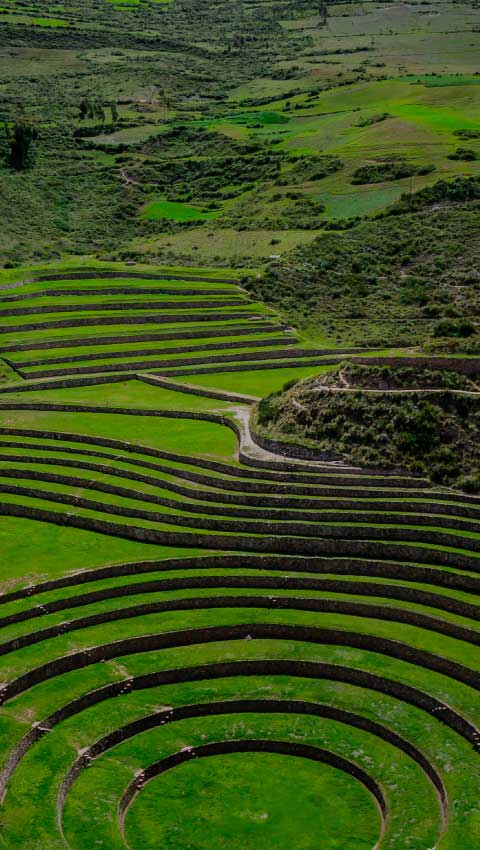
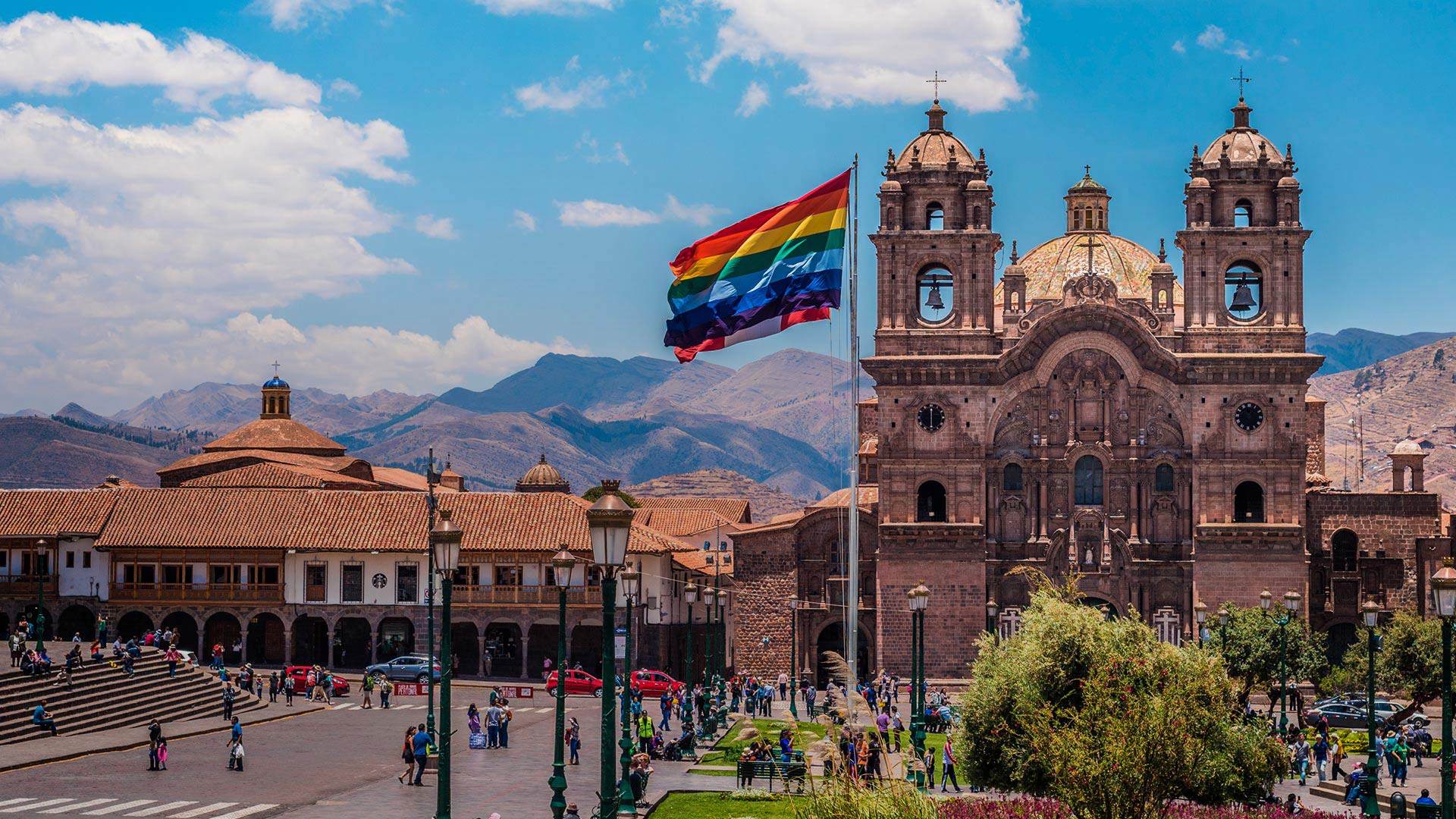
In Cusco, history is etched into every corner. As the former capital of the Inka Empire, the city still echoes with the grandeur of what was once the most powerful civilization in the ancient world.
You can feel this millennia-old legacy with every step you take through streets and villages that feel perfectly frozen in time. There is a profound mysticism woven into these cities—one so captivating you’ll never want to leave. And if you must go, you will find a restless desire pulling at you, calling you to return as soon as possible.
The first step is reaching Cusco. The easiest way? By air. Due to high tourist demand, an international airport in Cusco was essential, though most flights connect through Lima before arriving in the Imperial City. From Peru’s capital, Lima, it takes approximately one hour and 15 minutes to reach your destination.
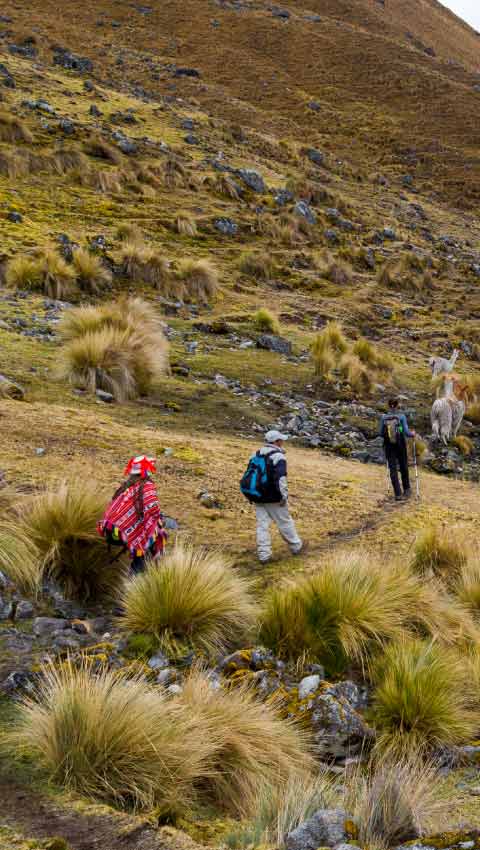
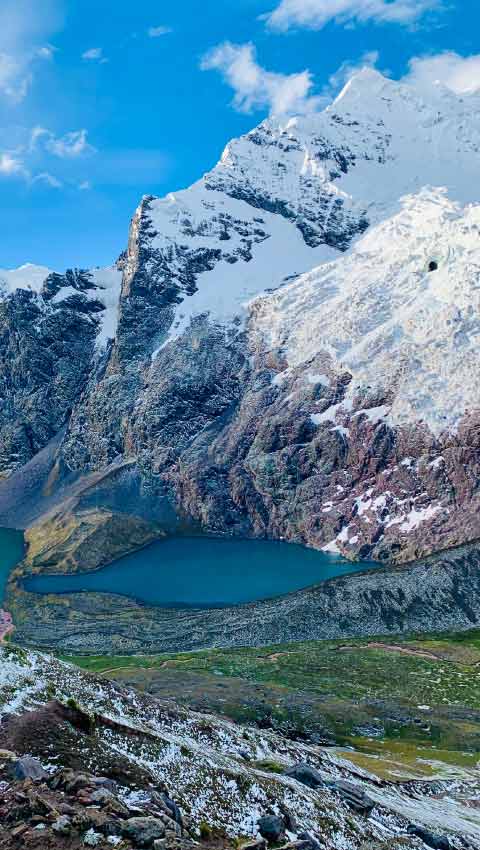
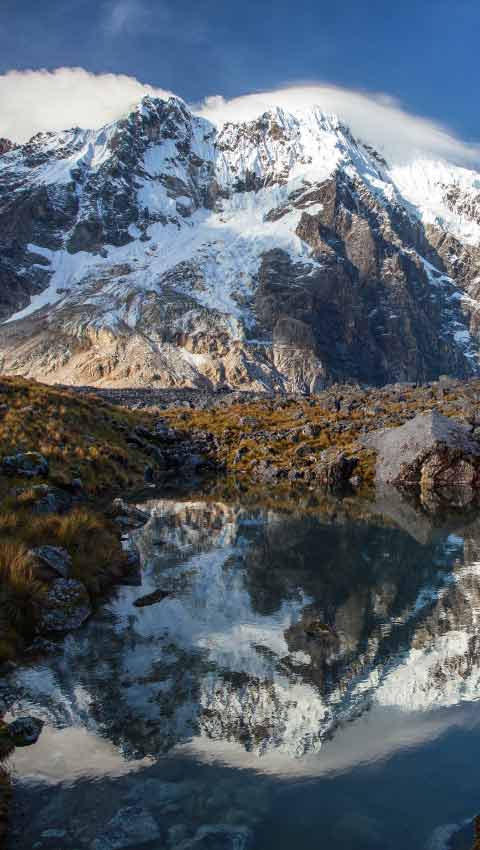
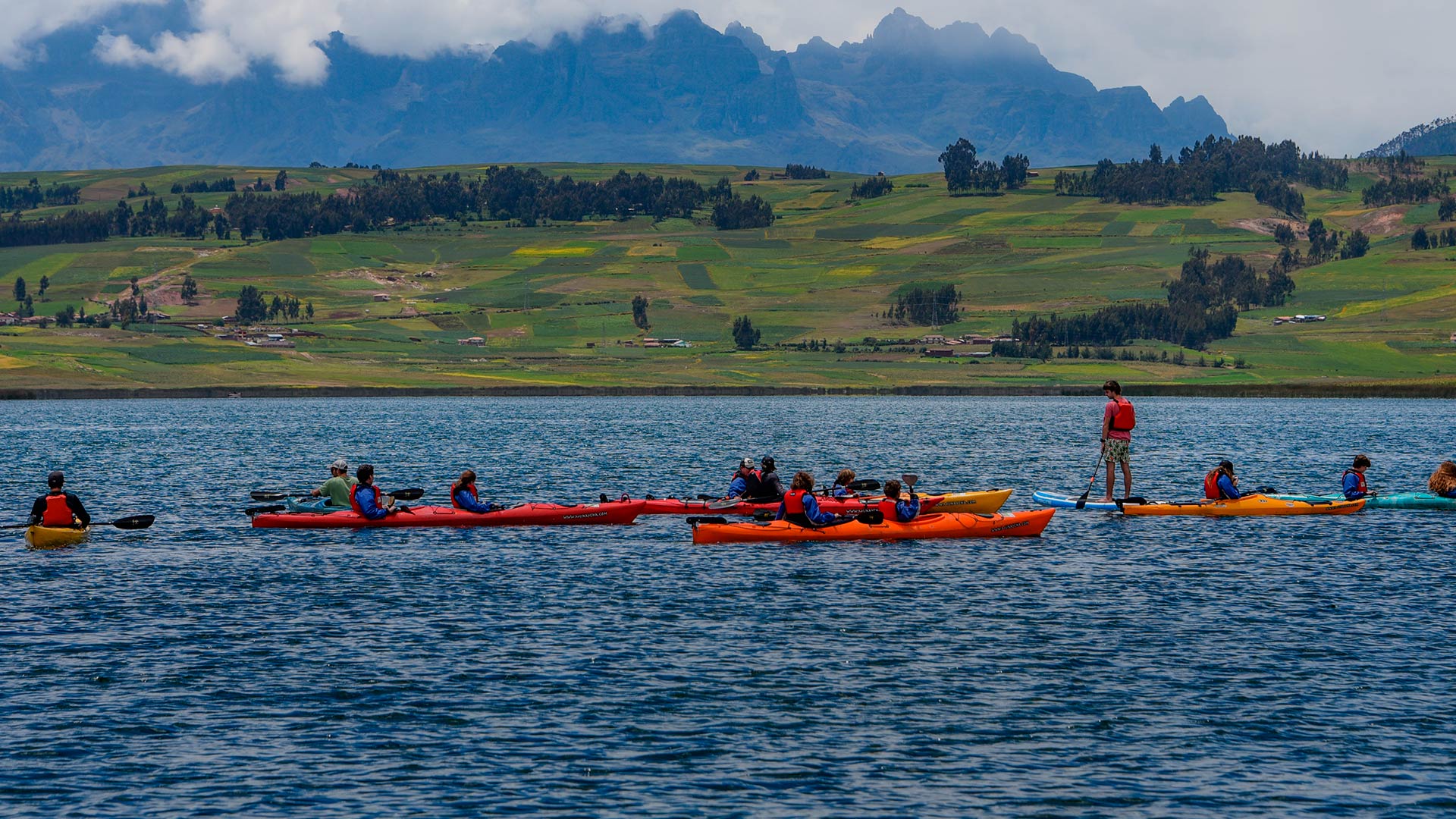
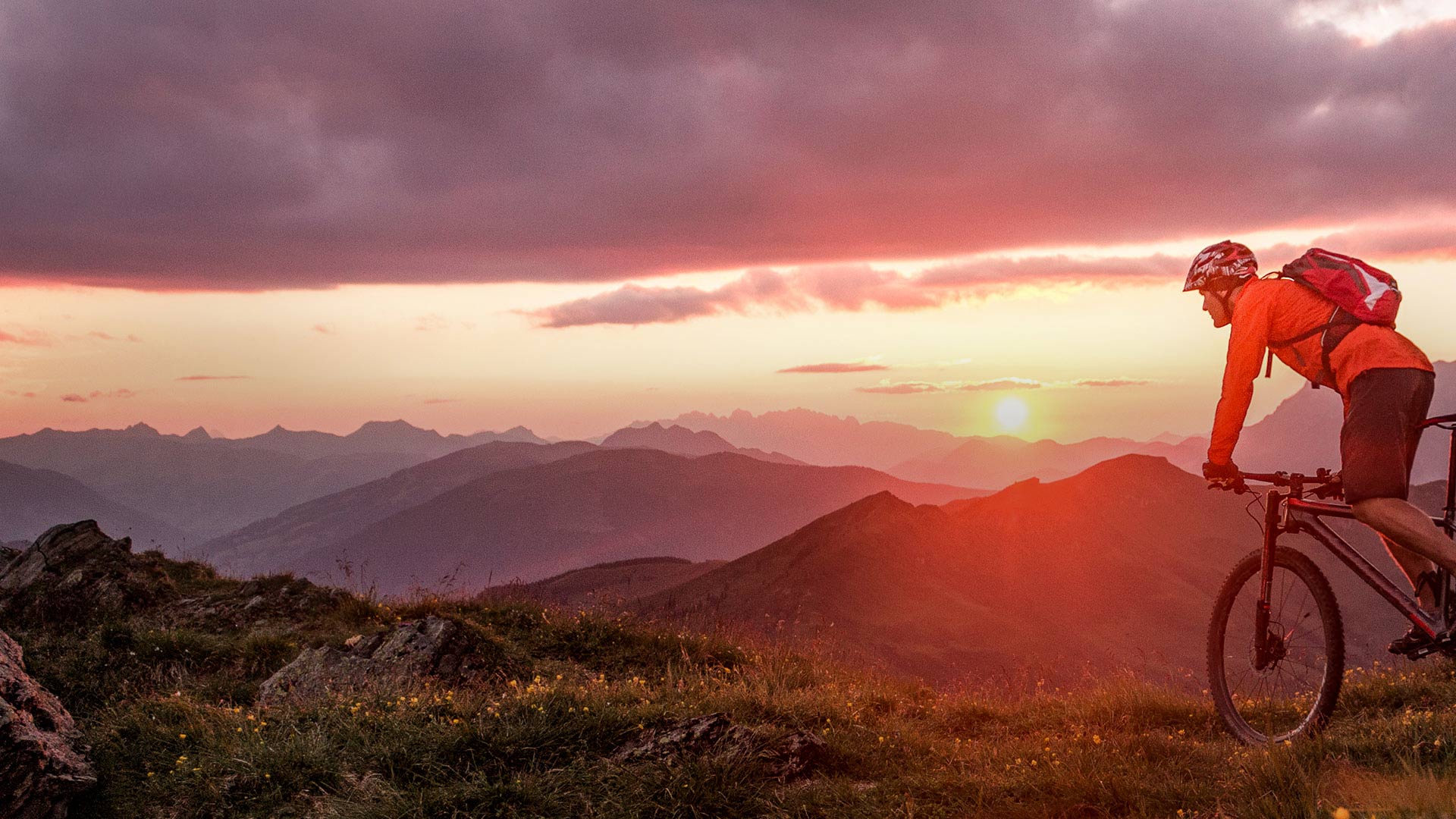
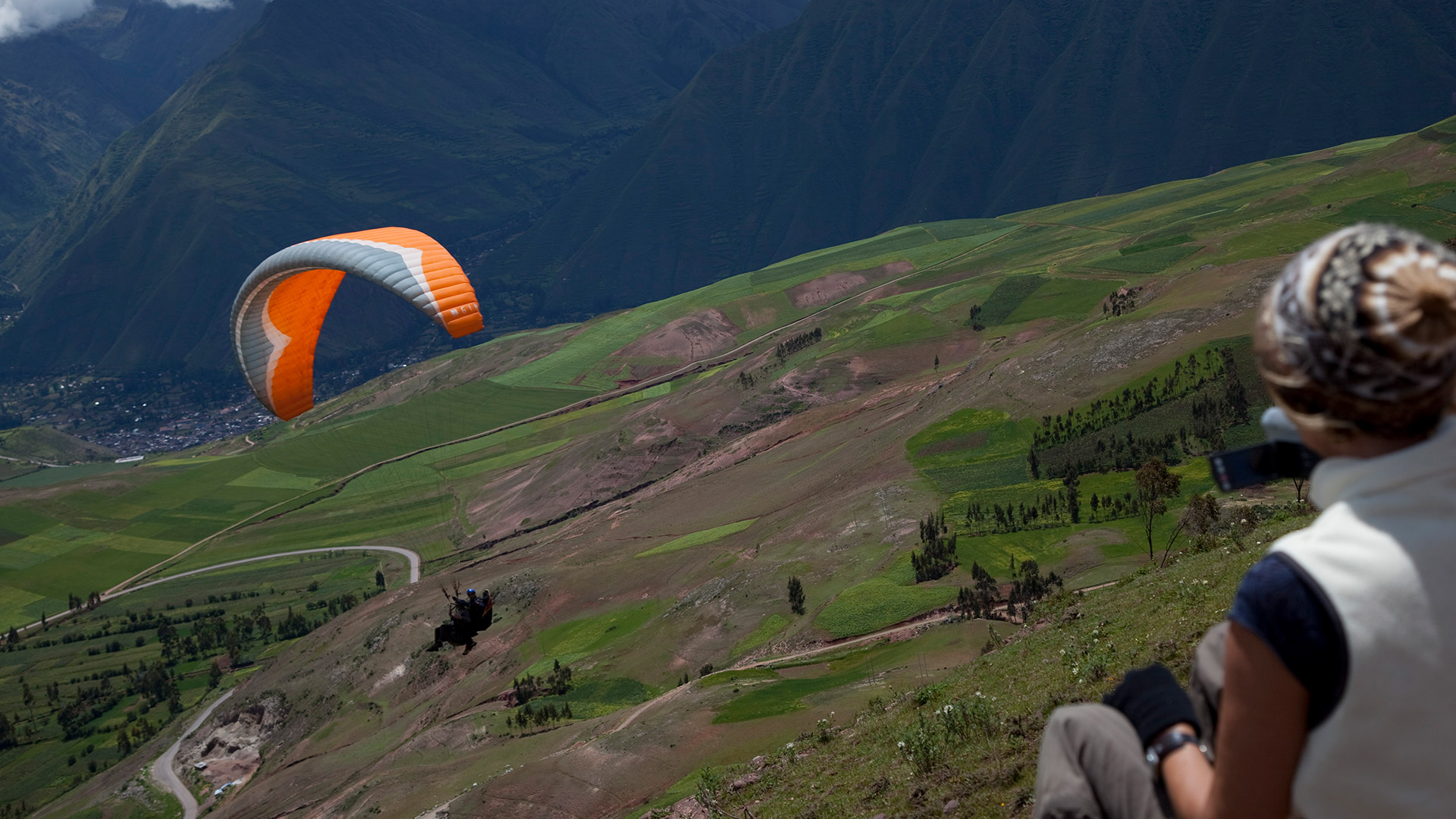
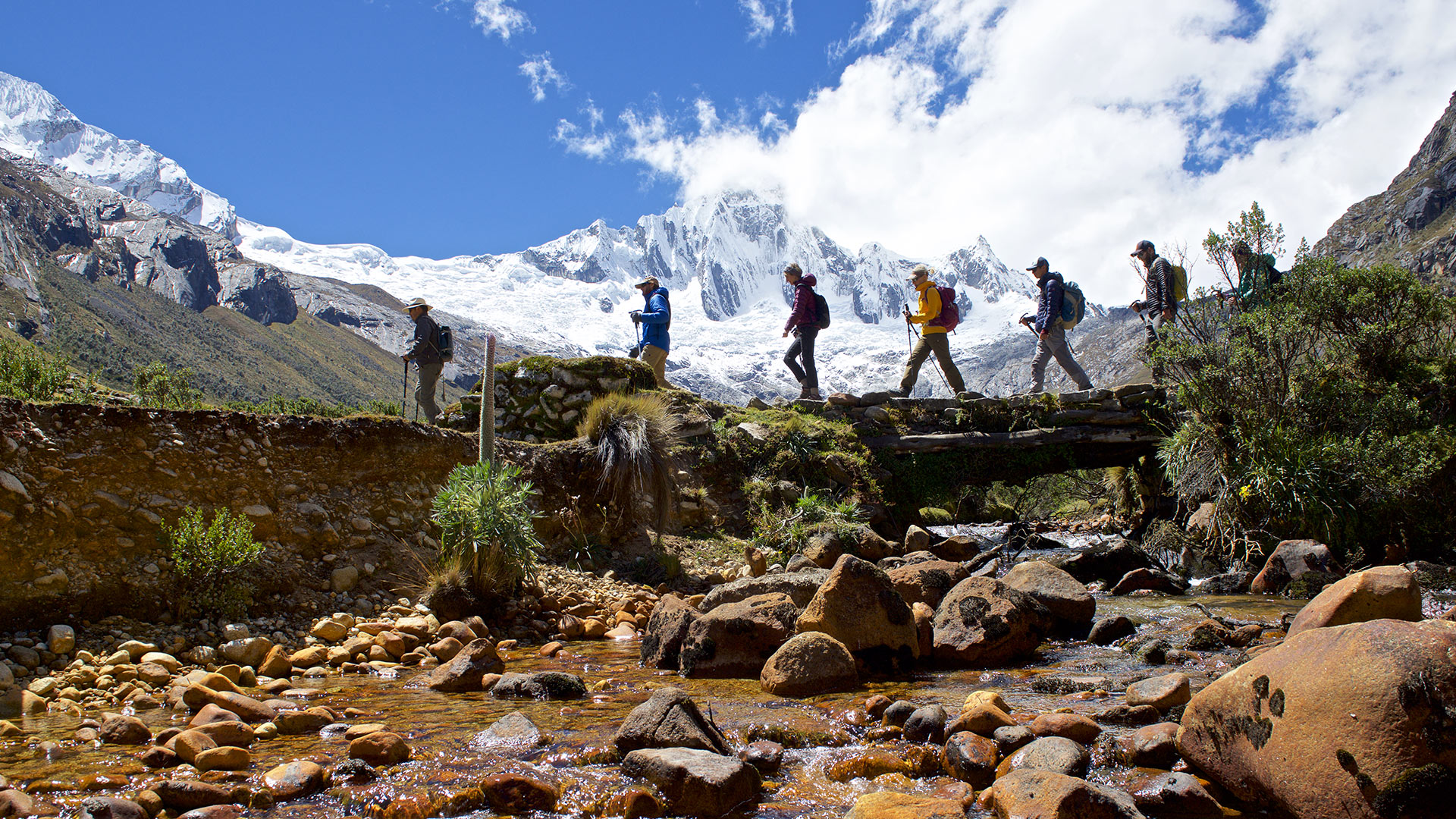
Now then, once you are in Cusco, you only need to organize your time to experience as many attractions and activities as you can imagine. Do you enjoy mountaineering? A journey through Ausangate, also known as the Sacred Mountain, will satisfy that need to release your pent-up energy.
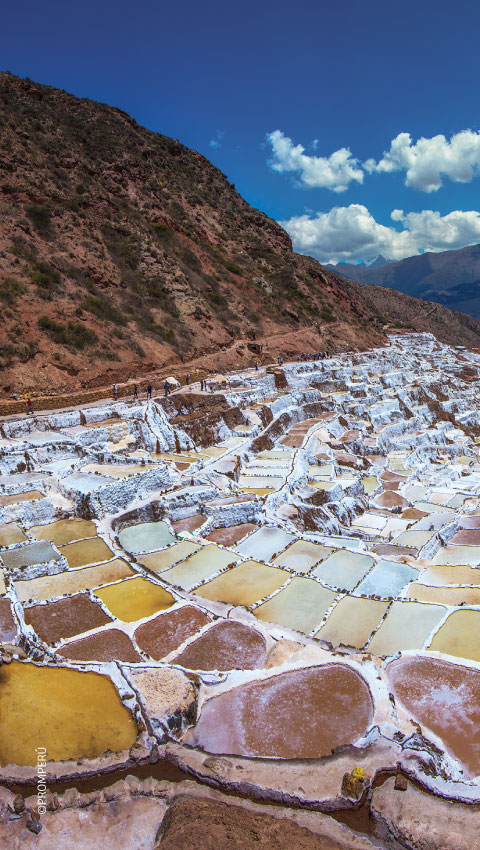
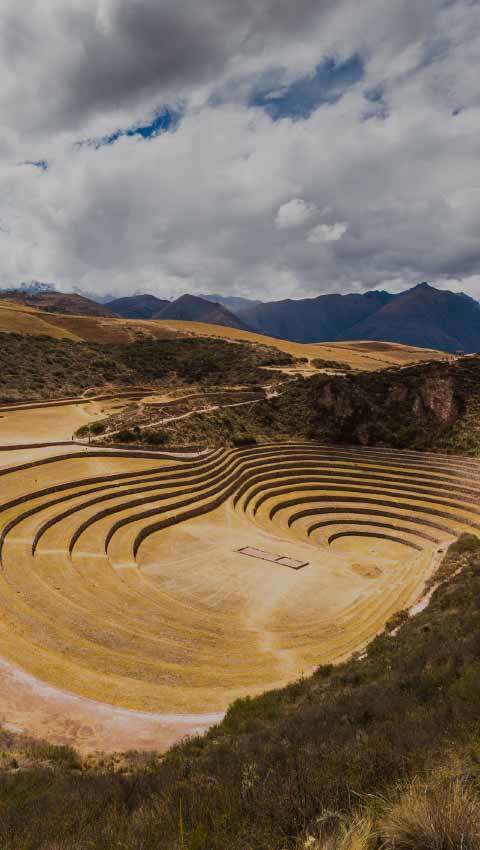
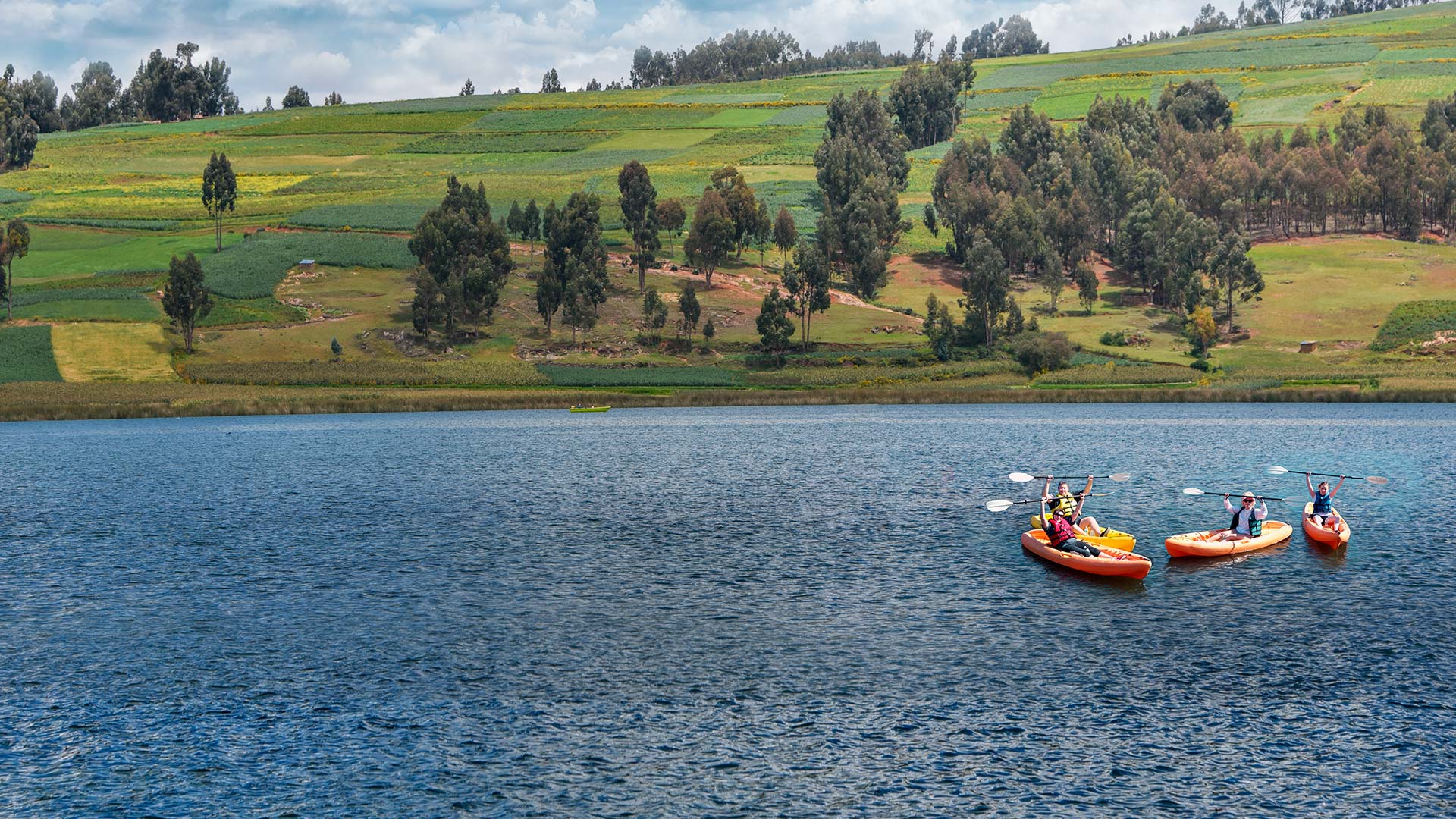
Are you a nature lover? You cannot miss a visit to the Sacred Valley, home to villages that seem taken from the most creative fables imaginable. Do you have a soft spot for animals? There is also a place for wildlife enthusiasts: Awanakancha, one of the premier interpretation centers for South American camelids, is located right here in Cusco.
The jewel of Cusco
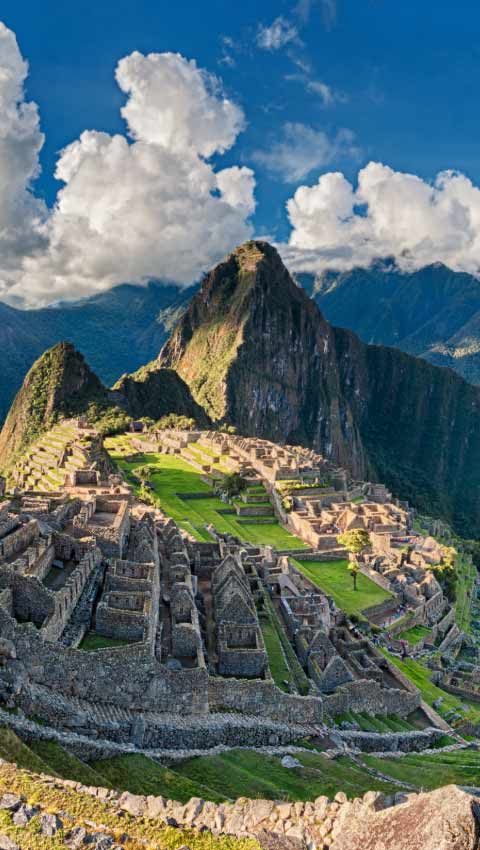
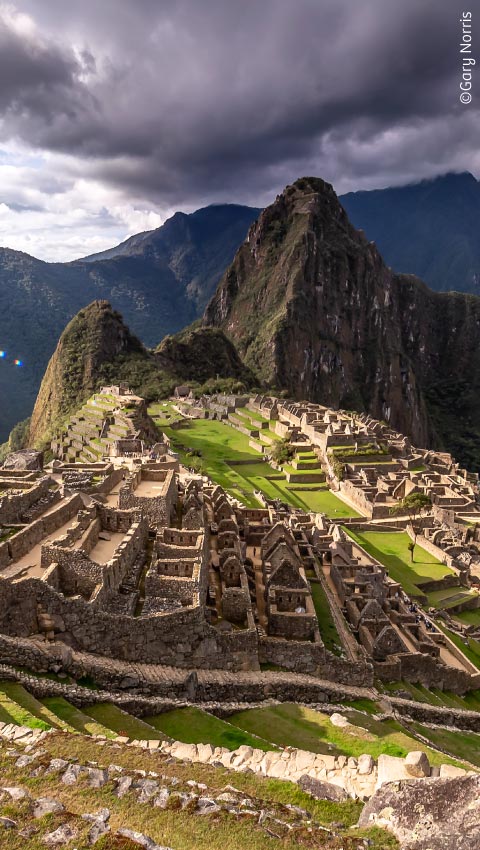
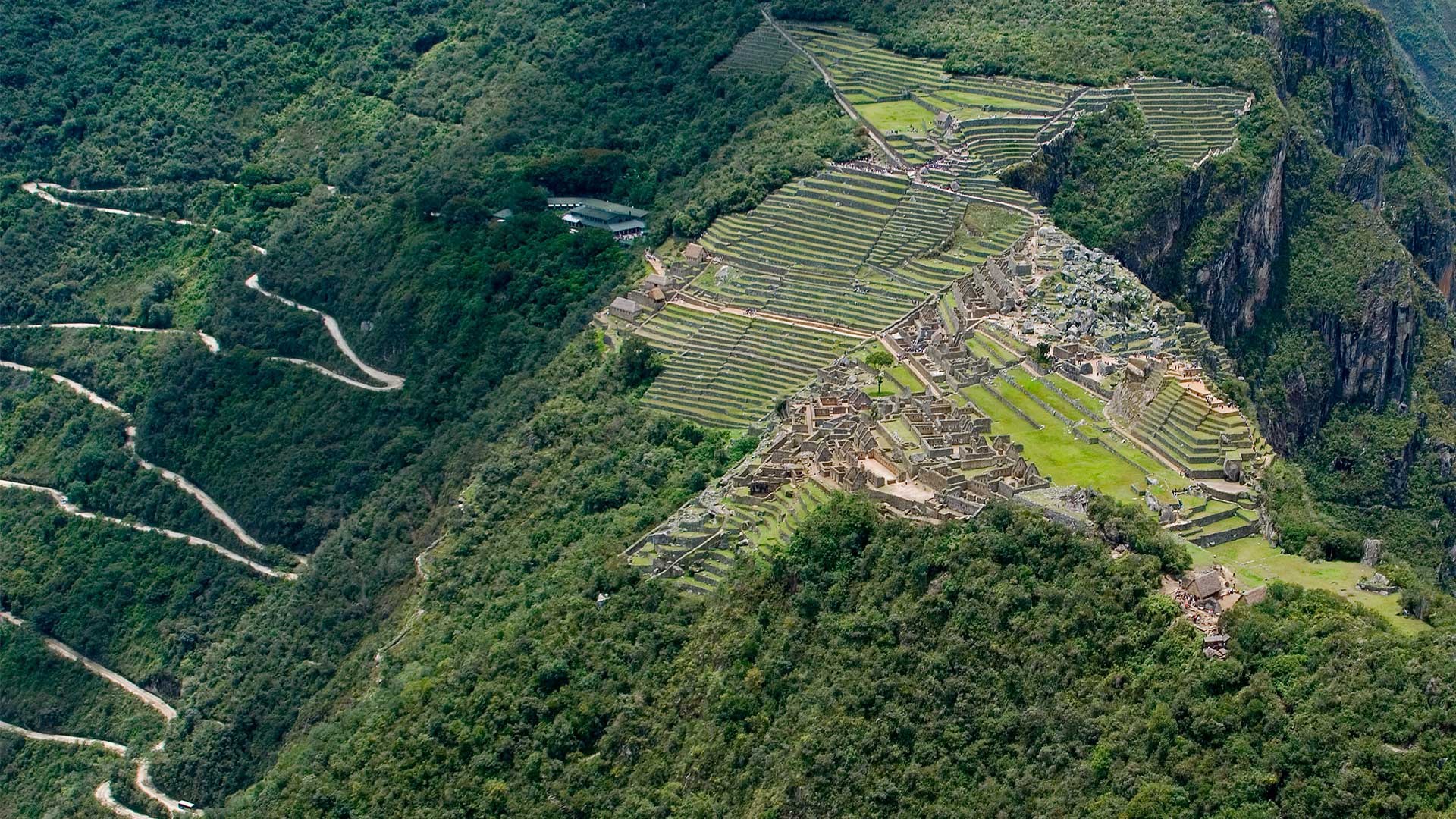
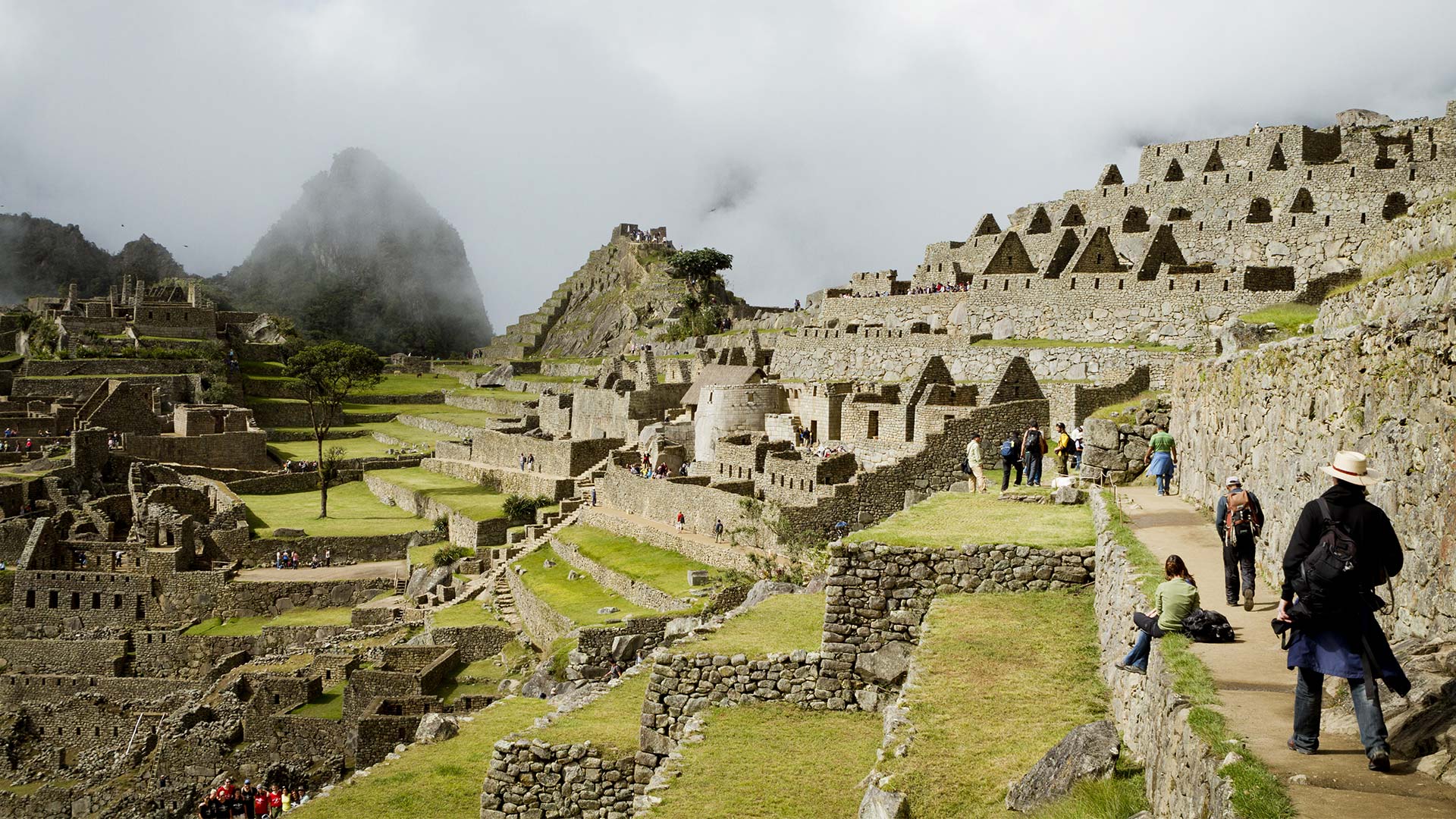
But this journey remains incomplete until you truly connect with the Inka spirit. Yes, we are talking about a visit to one of the New Wonders of the World, the crowning jewel of Cusco and of Peru: the imposing, revered, and magnificent Historic Sanctuary of Machupicchu—the ultimate destination for every traveler who visits Cusco.
This UNESCO World Heritage site was one of the Inka Empire’s most vital religious, cultural, and political centers. Those who walk its grounds all agree: you can feel a unique, unmistakable energy here.
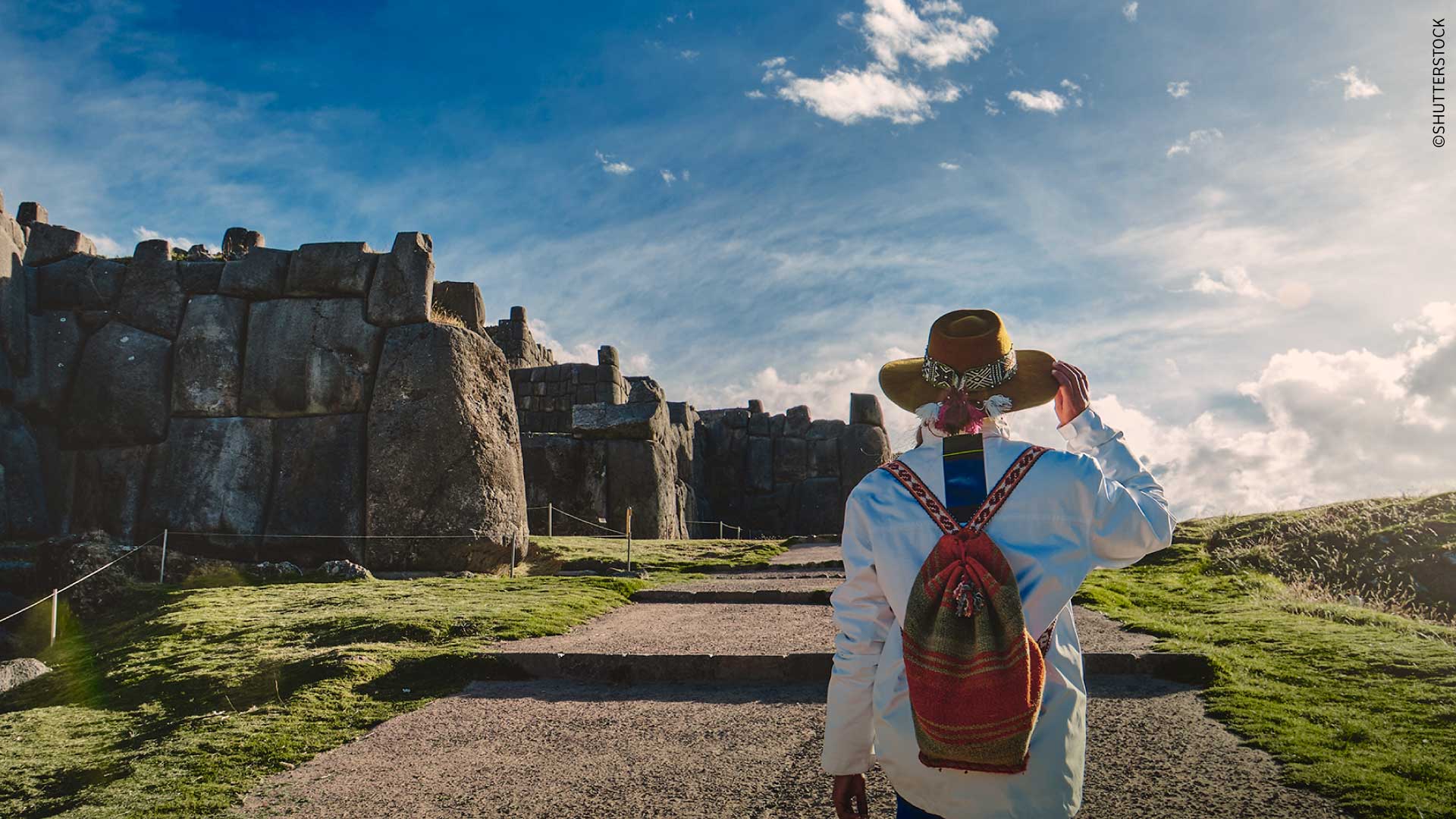
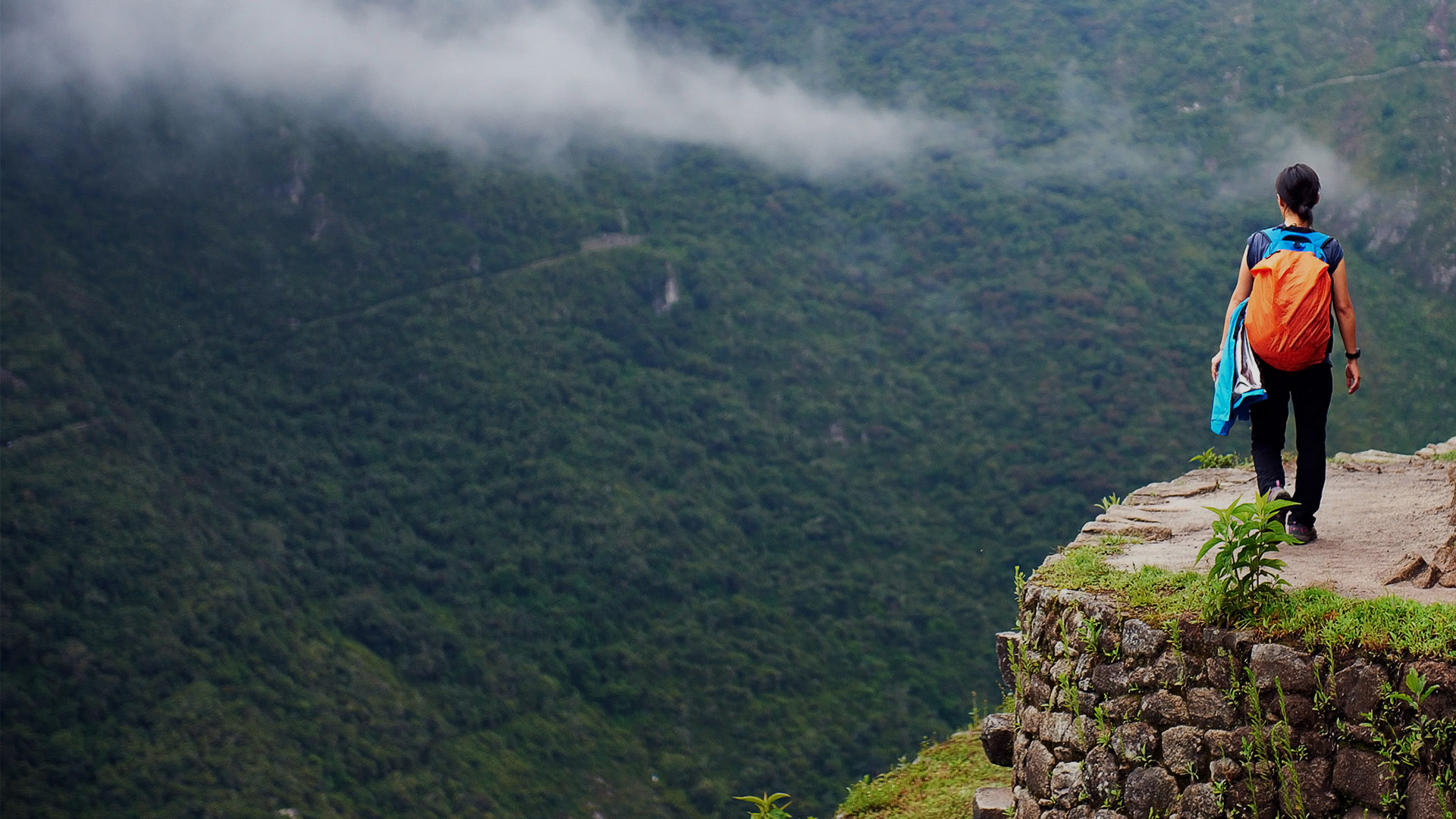
Tourist exploring the Inka ruins of Saqsayhuaman, Cusco. / ©SHUTTERSTOCK
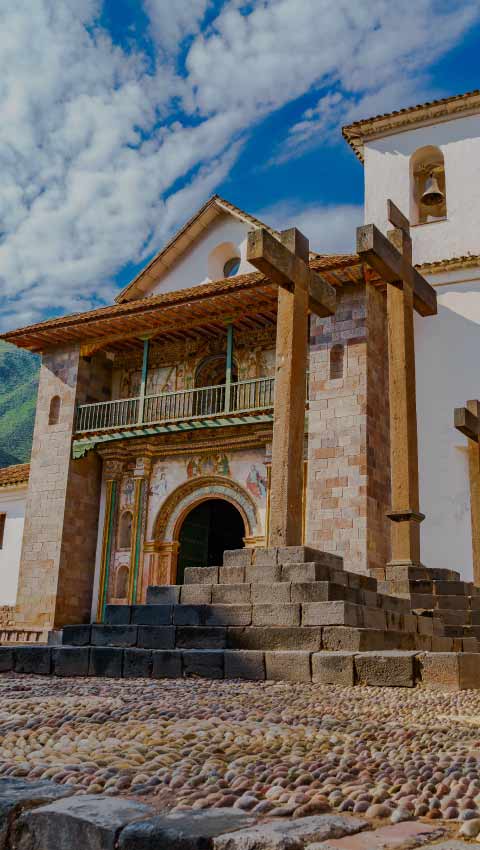
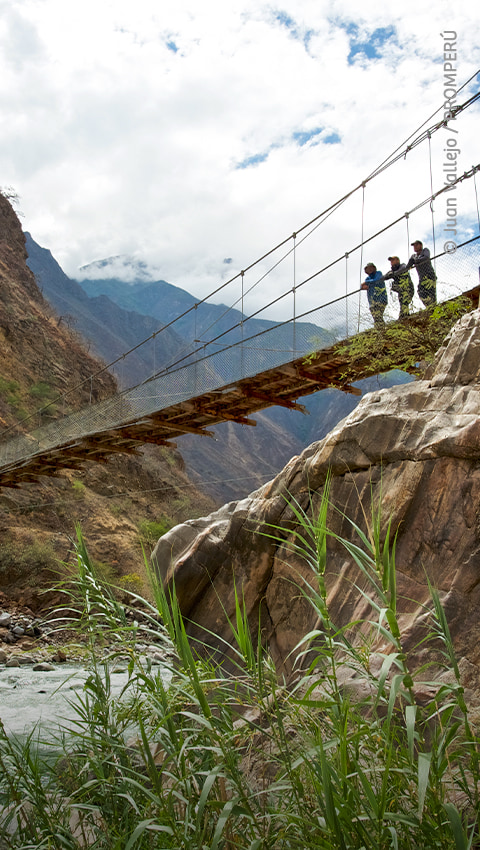
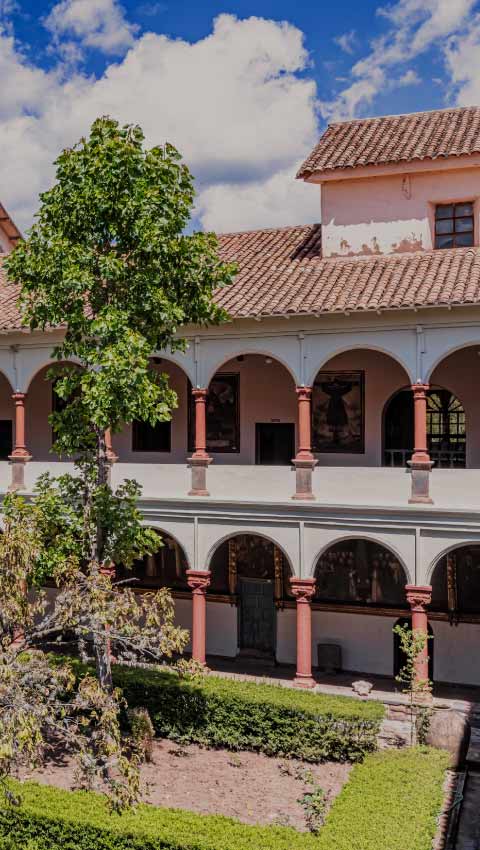
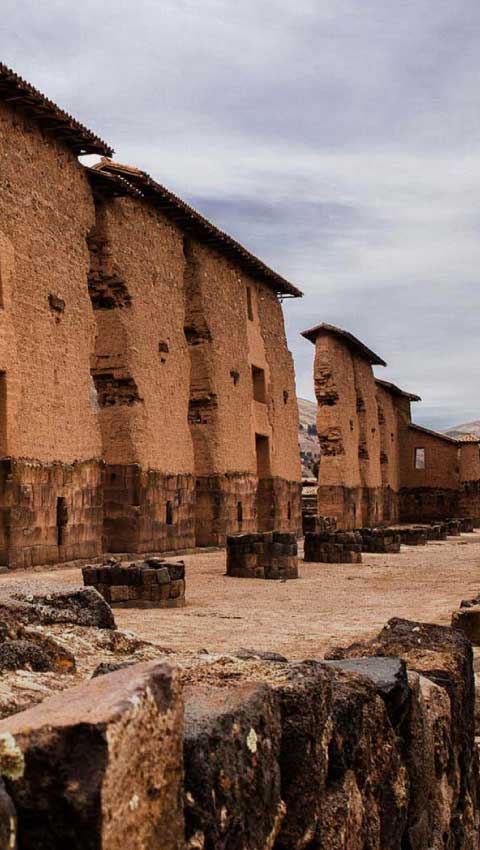
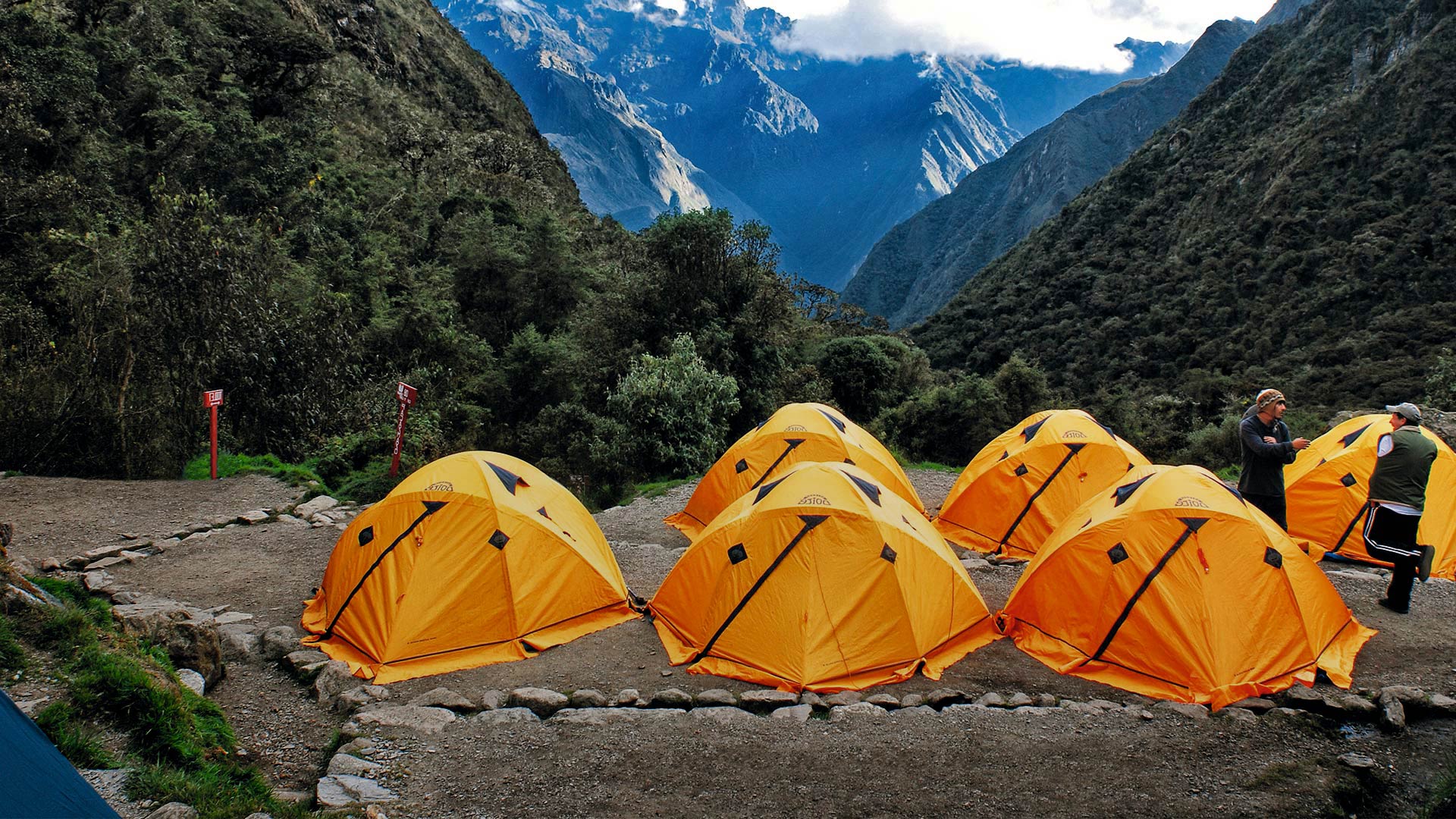
Waynapicchu, Saqsaywaman, Vinicunca, Urubamba, Choquequirao, Humantay Lake, Ollantaytambo, and the Inka Trail for trekking enthusiasts—the options for exploring Cusco are truly endless. Even within the city itself, there is a world of activities and landmarks waiting to be discovered. You can begin uncovering Cusco’s history with a stroll through the Historic Center or the Andean Baroque route, where you can admire architecture featuring that classic colonial touch.
You might be interested in: Find out all about the glamping experience on the Inka Trail
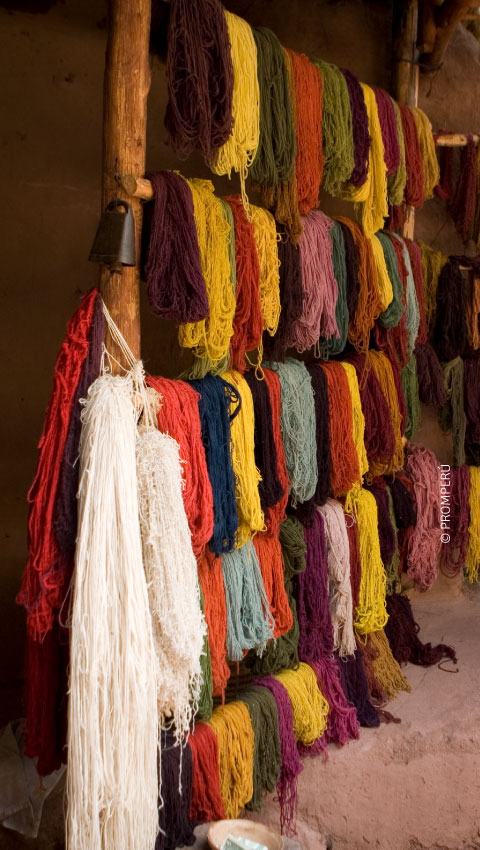
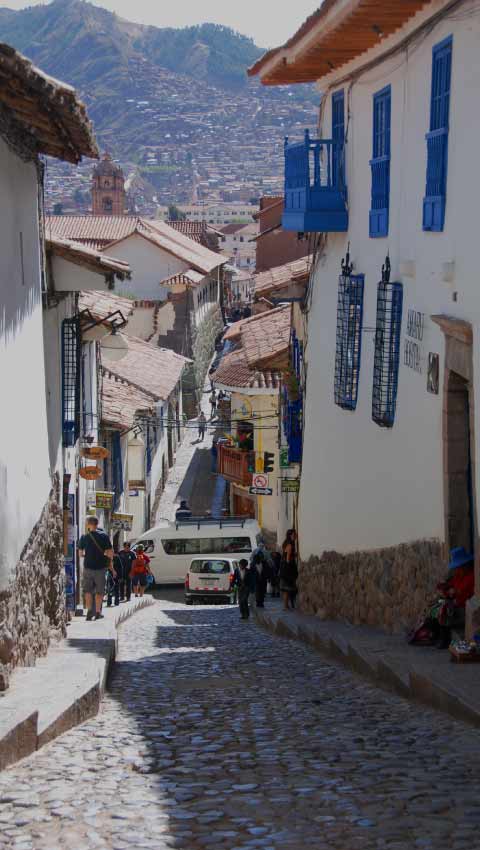
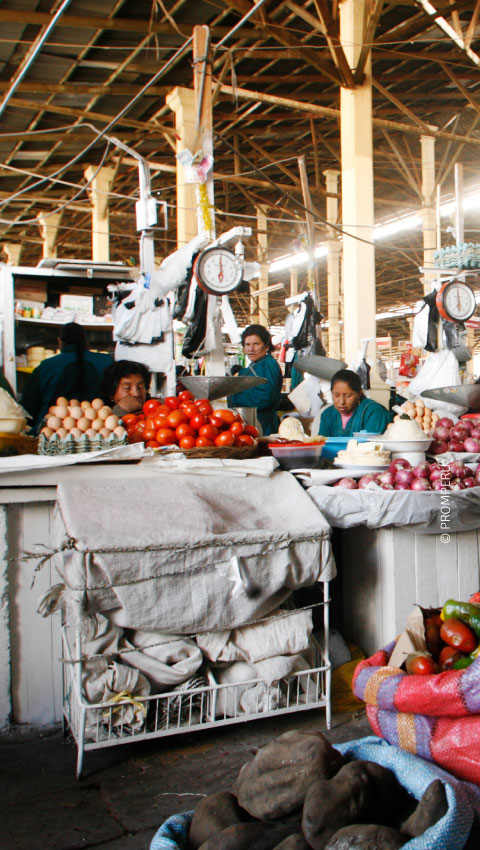
Museums are a top priority for visitors, and one you simply cannot miss is the Temple and Convent of Santo Domingo (Qorikancha). Beyond that, prepare to be amazed by the Twelve-Angled Stone or marvel at the mastery of the artisans in the San Blas neighborhood. Finally, a stroll through the vibrant San Pedro Market will give you a true sense of the local spirit and the authentic Cusco way of life.
So, if you are an adventurer at heart, do not give it a second thought: Cusco awaits you with open arms. And even if you do not have that "wild" spirit, Cusco is still for you. The city boasts hotels and restaurants of the highest standards, designed to meet the needs of even the most discerning travelers. Make your move—Cusco is ready to welcome you.
Recommendations for altitude sickness in Cusco
Traveling to Cusco is an unforgettable experience, but its elevation—sitting at over 3,399 meters (11,150 feet) above sea level—can cause some visitors to experience altitude sickness, locally known as soroche. This discomfort occurs as the body adjusts to the lower oxygen levels in the air. Common symptoms include headaches, fatigue, dizziness, nausea, and shortness of breath. However, with the right precautions, you can fully enjoy the city and its breathtaking surroundings without a hitch.
One of the most important recommendations is to take it easy on your first day. Avoid any intense physical exertion the moment you arrive and make rest your top priority. Walking slowly, climbing stairs without rushing, and getting a good night's sleep will help your body adapt progressively. It is also vital to stay well-hydrated by drinking water constantly—even if you do not feel thirsty—as dehydration can significantly intensify your symptoms.
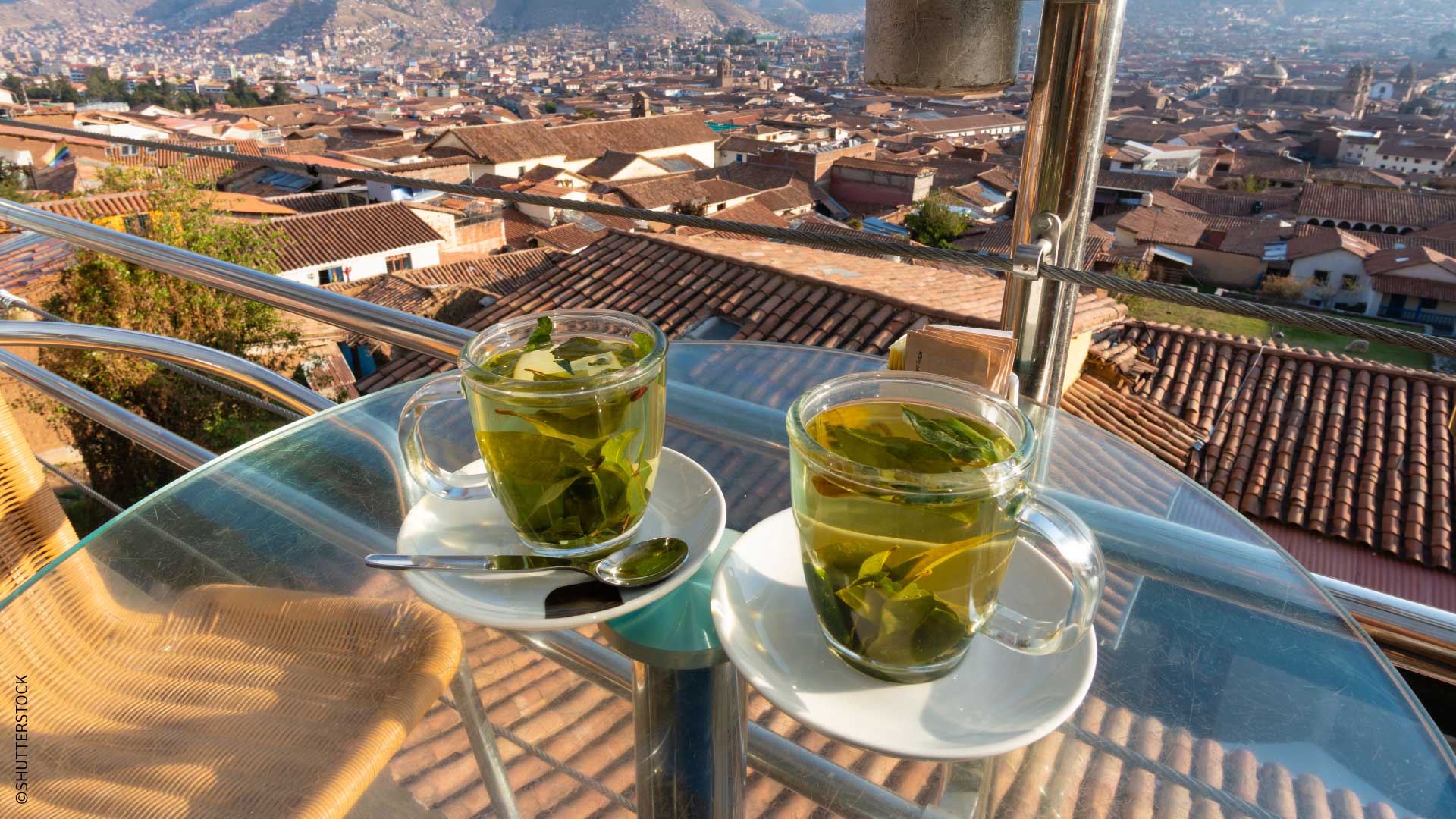
Cups of coca tea overlooking the city of Cusco. / ©SHUTTERSTOCK
Light meals also play a fundamental role. Opt for low-fat, high-carb dishes that are easy to digest, such as soups, rice, potatoes, and fruit. Many travelers turn to the traditional coca leaf infusion; an ancestral brew widely used across the Andean region to alleviate soroche (altitude sickness). You can also find candies and other coca-derived products that help take the edge off the discomfort, provided they are consumed in moderation.
Another essential tip is to avoid alcohol and tobacco during your first few days, as they can hinder your body's oxygenation. Similarly, taking lukewarm showers, staying warm, and using proper sun protection will help you adapt better to both the climate and the altitude. For those experiencing more intense symptoms, many hotels and health centers offer supplemental oxygen—a safe and effective option to help you feel your best.
Finally, listening to your body is fundamental. If symptoms persist or worsen, it is important to seek medical attention. By following these recommendations, your trip to Cusco can become a comfortable, safe, and thoroughly enjoyable experience from the very first day.
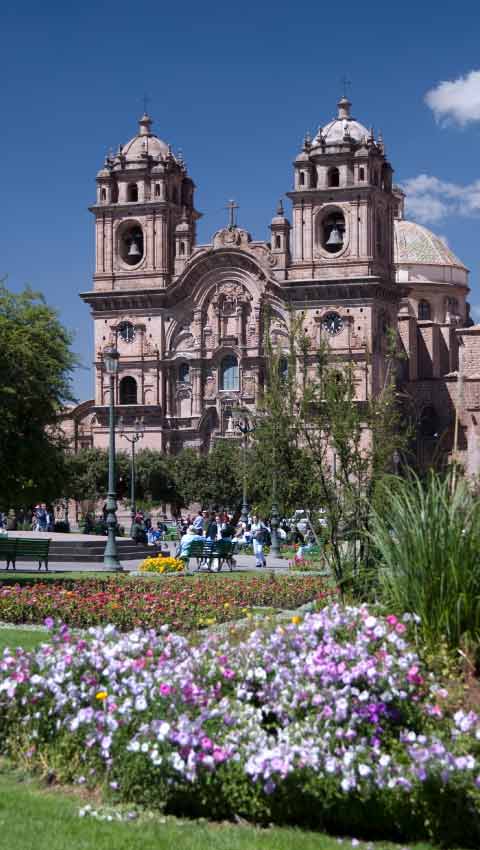
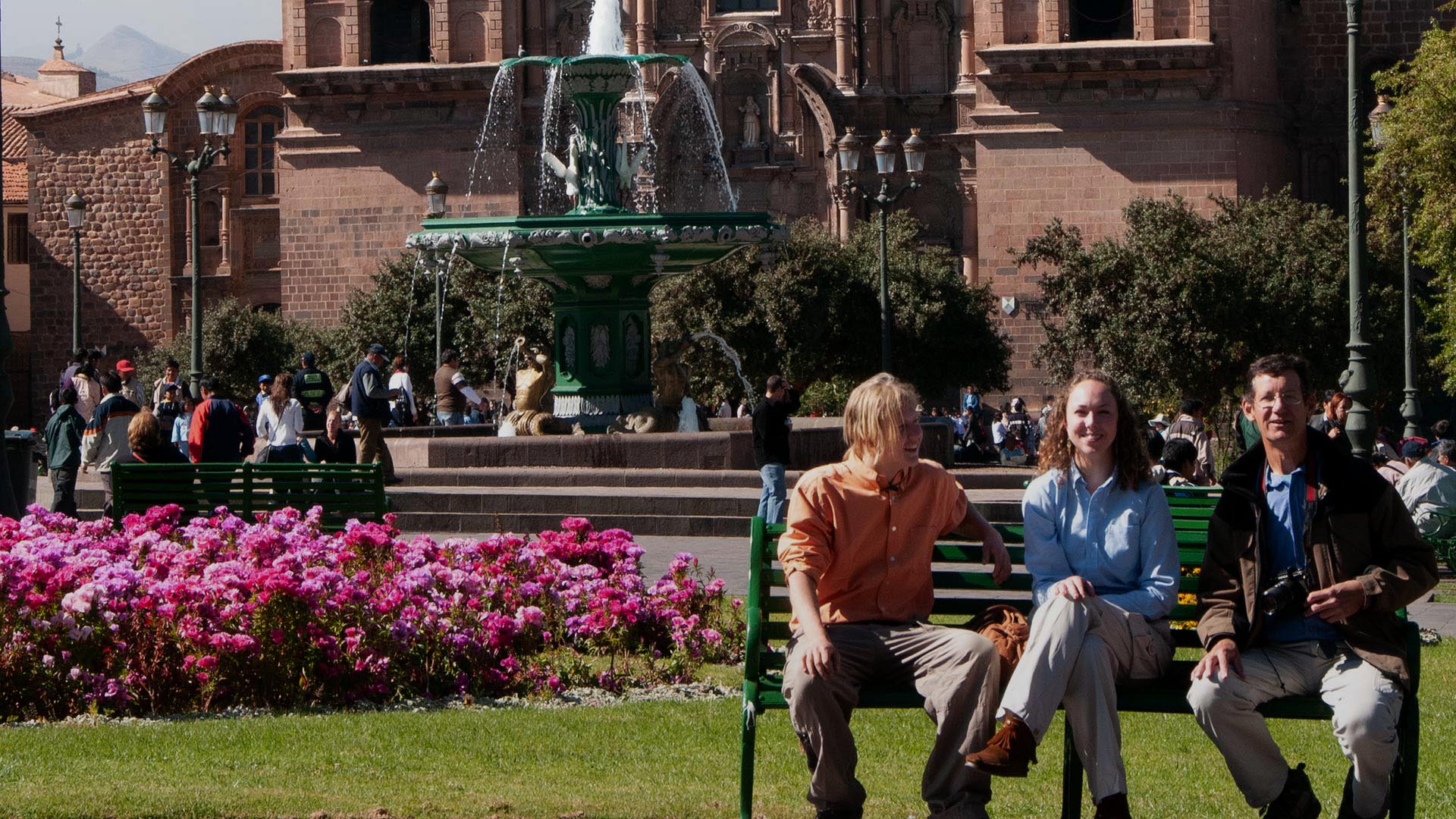
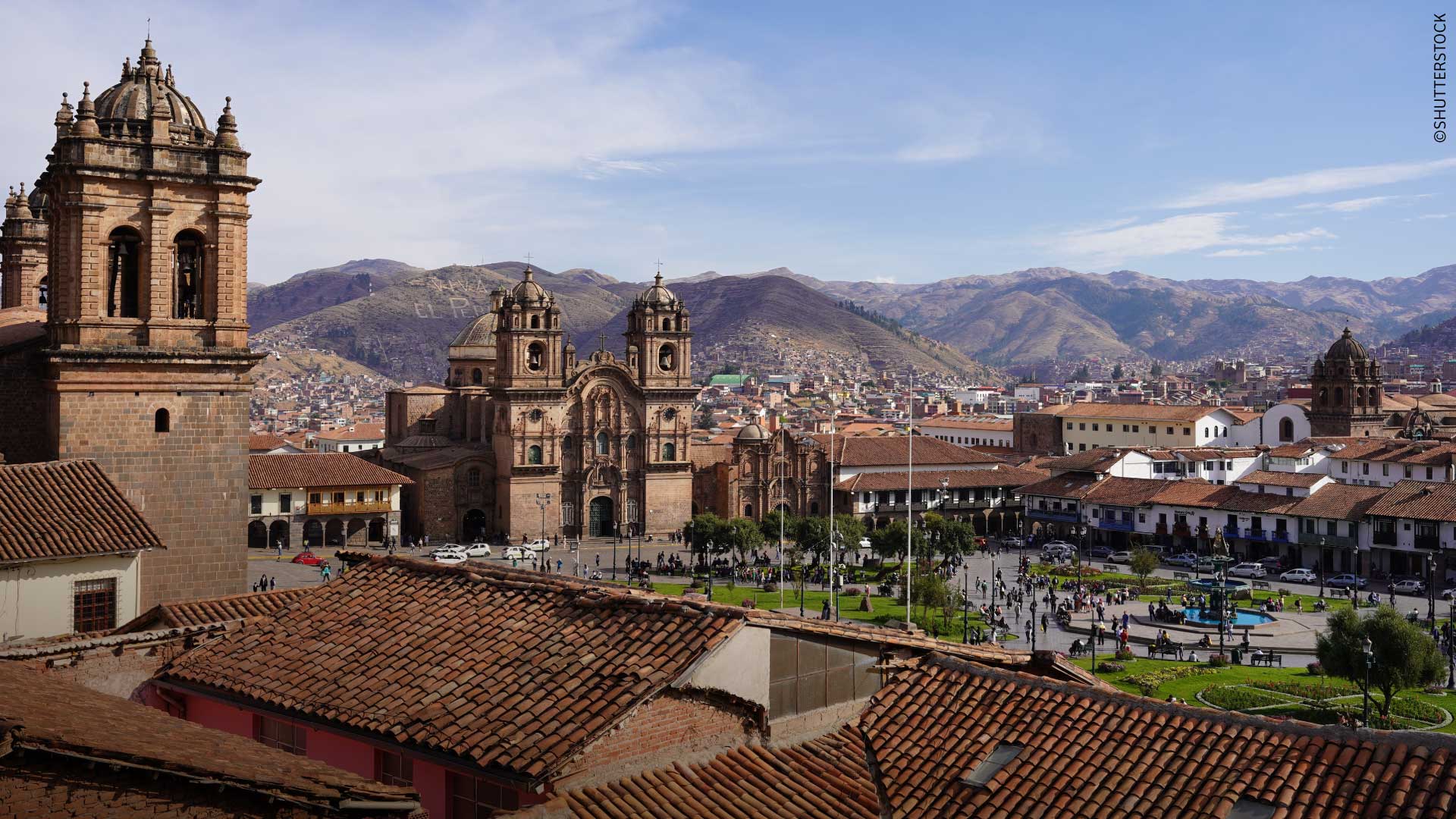 Panoramic view of Cusco’s main square, Peru.
 How to get to Cusco?
Route 1
Route 2
Lima - Cusco
1 h 15 min approximately
Lima - Cusco
Approximately 21 h (via Abancay)