In this Page
Since time immemorial, these vast waters have held a mystical power over the people of Puno. More than just a landmark, Lake Titicaca is the setting for two of Southern Peru’s most legendary tales. What makes this lake so sacred? Legend has it that this very spot was the birthplace of the world itself. It is also said that from these deep, blue depths, the two founders of the Inka Empire first emerged to begin their legacy.
The God Viracocha rose from these very waters to craft the world as we know it. Among his most magnificent creations were the Inti (Sun), Killa (Moon), and the Ch’aska (stars)—along with the Earth's first people, whom he entrusted with the sacred duty of honoring the gods. The legends also tell of Manco Capac and Mama Ocllo, the children of Viracocha, who emerged from the depths of Lake Titicaca. Their mission was to found the mighty Inka Empire—the most significant and majestic civilization to ever flourish in Peru.
Beyond the magical stories passed down through generations, Lake Titicaca remains a premier destination for countless reasons, rooted in traditions preserved by the people of Puno. It is famously the highest navigable lake on the planet—sitting at an impressive 3,810 meters above sea level—and spans approximately 8,300 km², reaching depths of up to 281 meters.
For those seeking the true heart of ancient Peru, a journey to Lake Titicaca is an essential part of any southern itinerary. Within its vast expanse lies a collection of islands where ancestral customs are still very much alive—landscapes so surreal they seem plucked from the pages of a master storyteller's fable. Here, you can experience community tourism in its purest form. These communities live in perfect harmony with the rugged geography that surrounds them, thoughtfully utilizing everything nature provides to thrive in their daily lives.
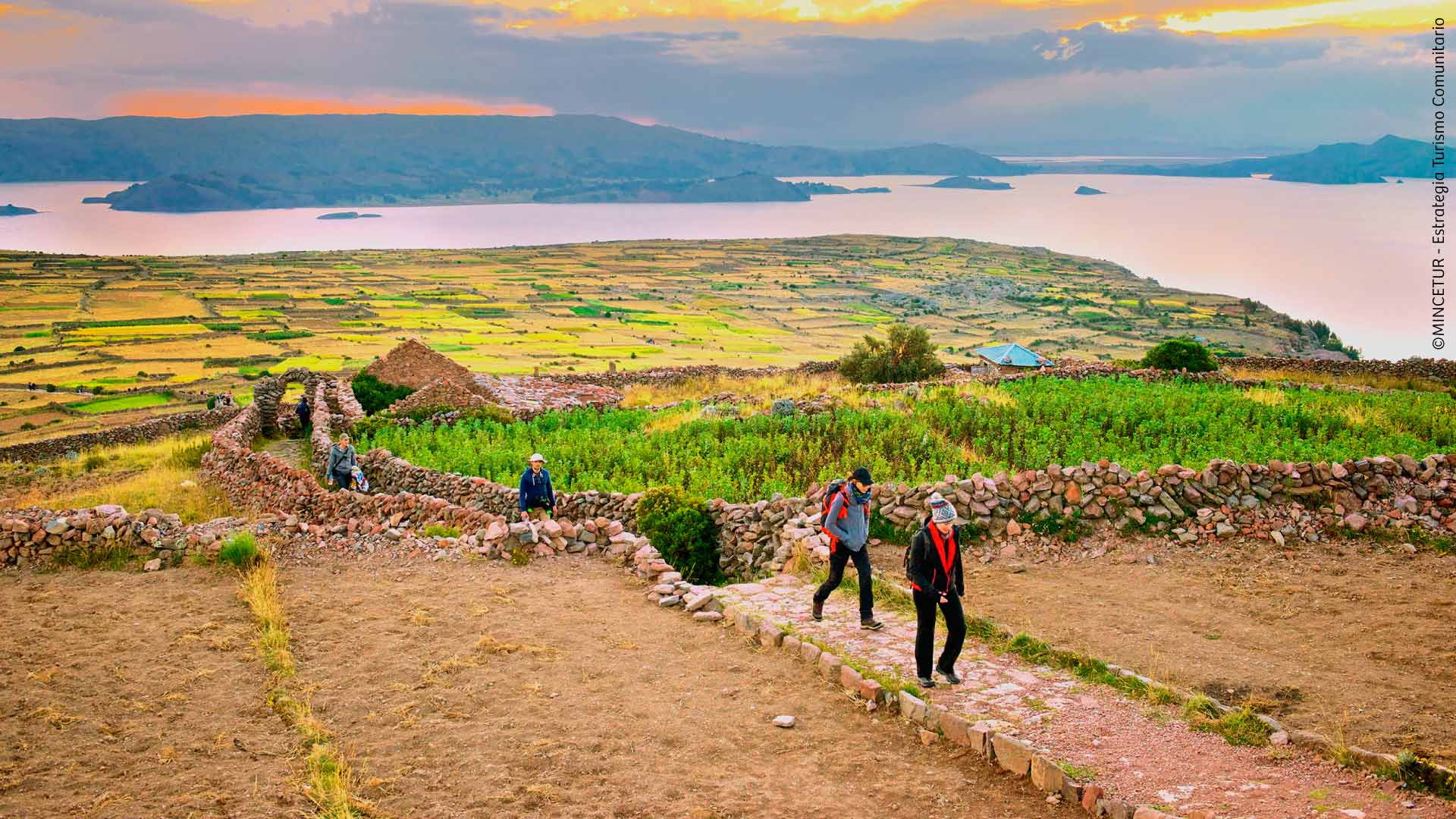
Community tourism on Amantani island / ©MINCETUR - Community Tourism Strategy
You may also like: Discover Taquile island, Puno’s land of ancestral weavers
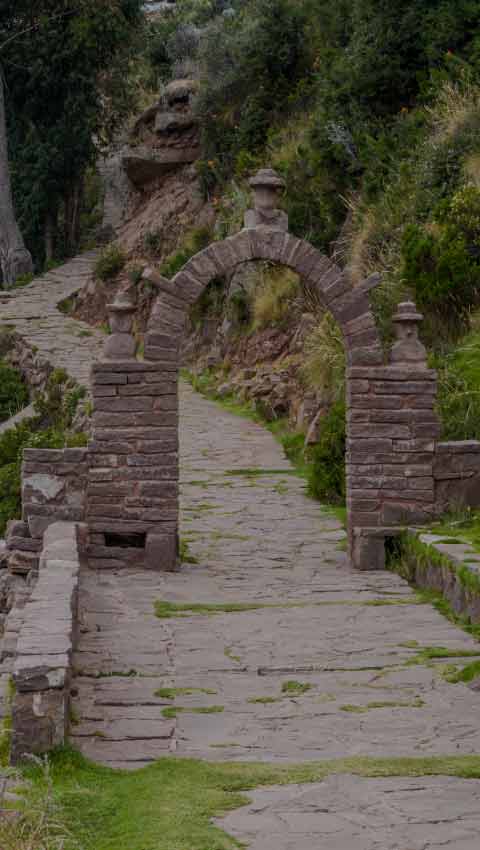
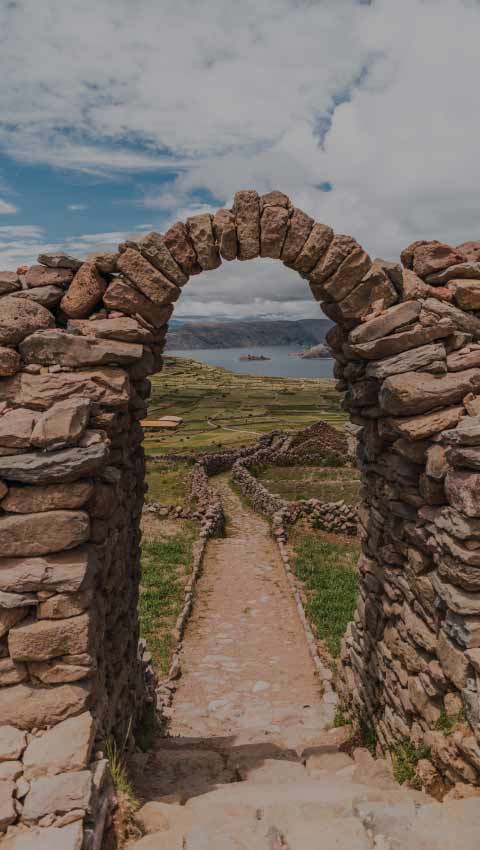
Of course, no visit is truly complete without a journey through the islands that define this Natural Heritage of Peru—including Taquile, Amantaní, and the legendary Uros. You can explore these wonders aboard traditional boats and rafts crafted from totora reeds—the very same natural material used to build the foundations of the islands themselves. On Taquile, for instance, you will discover the remnants of ancient Pre-Inka and Inka structures. Prepare to be captivated by the extraordinary artistry of the local people: world-renowned master weavers who bring their history, traditions, and vibrant culture to life in every unique thread.
Meanwhile, Amantani is the premier destination for those wishing to spend a night just as the ancient Aymara—ancestors of the island’s current residents—once did. Here, fields are framed by eucalyptus trees and vibrant Cantuta flowers, where the local people remain dedicated to the land, ensuring a bountiful harvest for every table.
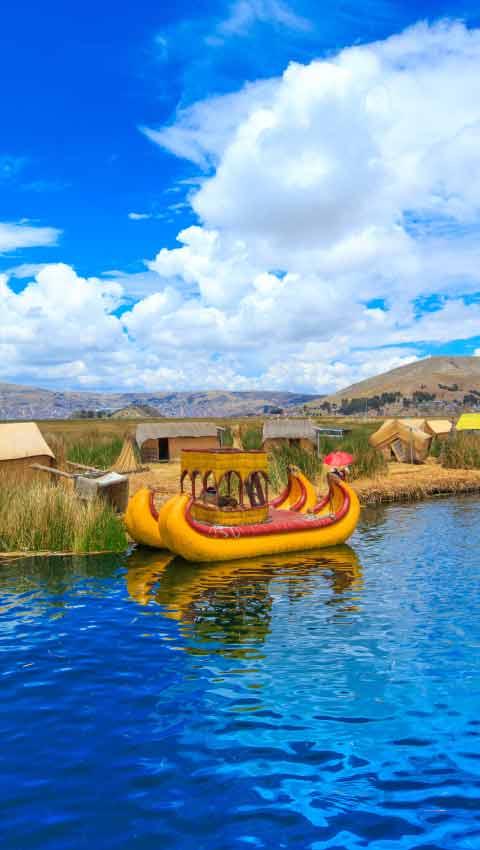
And in Uros, with its incredible man-made floating islands, you will gain a deeper insight into the remarkable versatility of the totora reed. This plant has been the cornerstone of their society for centuries: it is used to construct the very islands and homes that drift atop the waters of Lake Titicaca. Beyond architecture, the totora serves medicinal purposes and even features in the local cuisine. Truly impressive, wouldn't you agree?
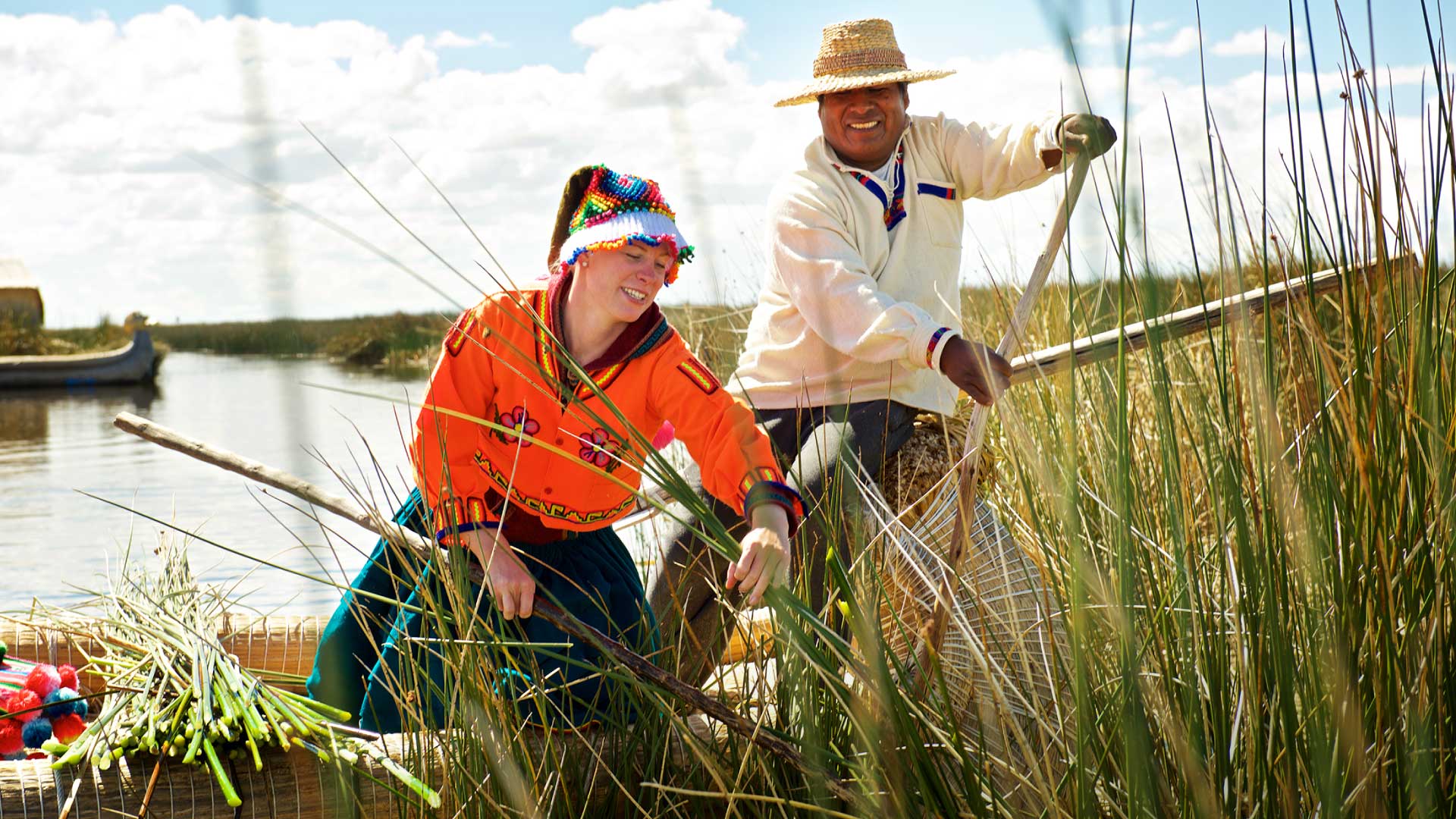
Community tourism on the Uros floating islands / ©MINCETUR - Community Tourism Strategy
Why community tourism at Lake Titicaca is an essential Peruvian experience?
Immersing yourself in community tourism at Lake Titicaca, in the Puno region, is a journey into a world where tradition and nature exist in perfect harmony. At over 3,800 meters above sea level, this deep blue mirror—the highest navigable lake on Earth—serves as the spiritual heart of the Peruvian highlands. Here, local communities welcome you with genuine hospitality, inviting you to become a part of their daily life, their vibrant culture, and their ancestral wisdom.
On the Uros islands—entirely hand-crafted from totora reeds that grow in these very waters—you can glide across the lake on traditional rafts, learn the ancient techniques used to build these floating homes, and listen to the legends that bind this community to the sun and the water. Every smile and every story reveal a lifestyle in perfect balance with nature, one that remains vibrant and unchanged despite the passage of centuries.
The journey continues to the natural islands of Amantani and Taquile, where visitors are welcomed into the homes of local families. Here, you can enjoy authentic stays, traditional meals, and walks along winding trails that offer breathtaking panoramic views. Whether you are joining in the day’s harvest, tasting freshly caught trout, or watching a traditional dance as the sun begins to set, these are the kinds of soul-stirring experiences that truly transform your perspective on the world.
Community tourism at Lake Titicaca is far more than just a trip; it is a profound cultural exchange. Every experience contributes directly to the growth and well-being of these local communities, fostering sustainability and a deep-rooted respect for the environment. For the traveler, it offers a rare opportunity to reconnect with what truly matters—in a place where time seems to stand still and the vast Andean sky is perfectly mirrored in a sacred lake that holds the living essence of the Andes.

How to get to Lake Titicaca ?
Route 1
Lima-Puno
Approximately 21 hours.
What to do at Lake Titicaca?
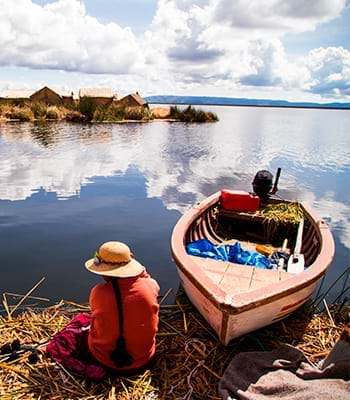
Visit the islands of Uros, Taquile and Amantani.
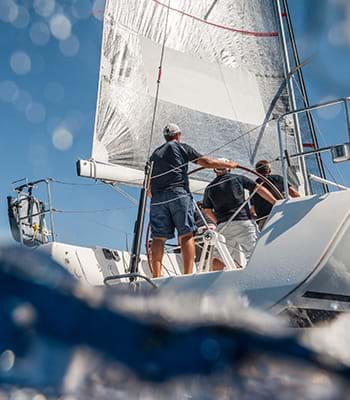
Observe the beautiful sunset from a sailboat.
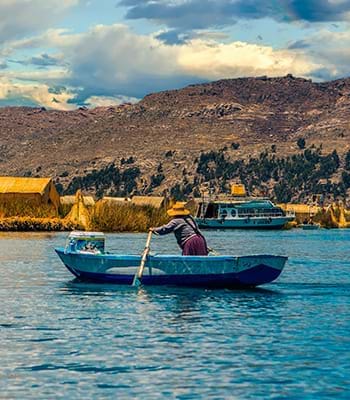
Go rafting on the lake.

General information
Schedule:
Varies by tour operator.
Must-haves:
Camera, warm winter layers, cash, sunscreen, and lip balm.
Altitude:
3,810 m above sea level (12,500 ft).
Climate:
Low of 3°C (37°F) / High of 14°C (57°F).
Pricing:
Rates vary by operator.