In this Page
A Historic Sanctuary radiating pure energy.
Perched high atop the mountains, massive and awe-inspiring stone blocks—seamlessly joined without a drop of mortar—form one of the Inka Empire's most vital religious, political, and cultural hubs: Machupicchu.
Scientifically rediscovered by Hiram Bingham on July 24, 1911, this Inka citadel in the Cusco region is split into two distinct sectors: the agricultural zone, featuring a vast network of ancient terraces, and the urban zone, home to architectural masterpieces like the Temple of the Sun.
With its lush, deep-green terraces and the breathtaking mountain range that frames it, the landscape offers a beauty that defies expectation. Today, Machupicchu stands as a UNESCO World Heritage site and the enduring pride of Peru.
History of Machupicchu
Nestled in the heart of the Peruvian Andes, the Inka city of Machupicchu was planned and built around 1450 AD during the reign of the Inka Pachakuteq. Since its discovery in 1911, it has guarded profound enigmas and mysteries regarding its true purpose—secrets that remain hidden to this day, fueling the curiosity of both visitors and archaeologists from around the globe.
Due to its strategic location atop a high mountain, various theories exist regarding its significance to the Inkas. Some maintain it was constructed as a grand mausoleum for the Inka Pachakuteq, while others claim it was a vital administrative and agricultural center whose farming zones sustained its inhabitants. However, it is also considered to have served as a necessary link between the Andes and the Peruvian Amazon, or perhaps as a private retreat for the Inka ruler.
The truth is that Machupicchu stands as one of the greatest symbols of the Inka Empire’s impressive architecture and engineering. While its origins remain a subject of ongoing study, the value and significance it held in its time—along with its awe-inspiring design—have earned it a rightful place as one of the New Seven Wonders of the World.
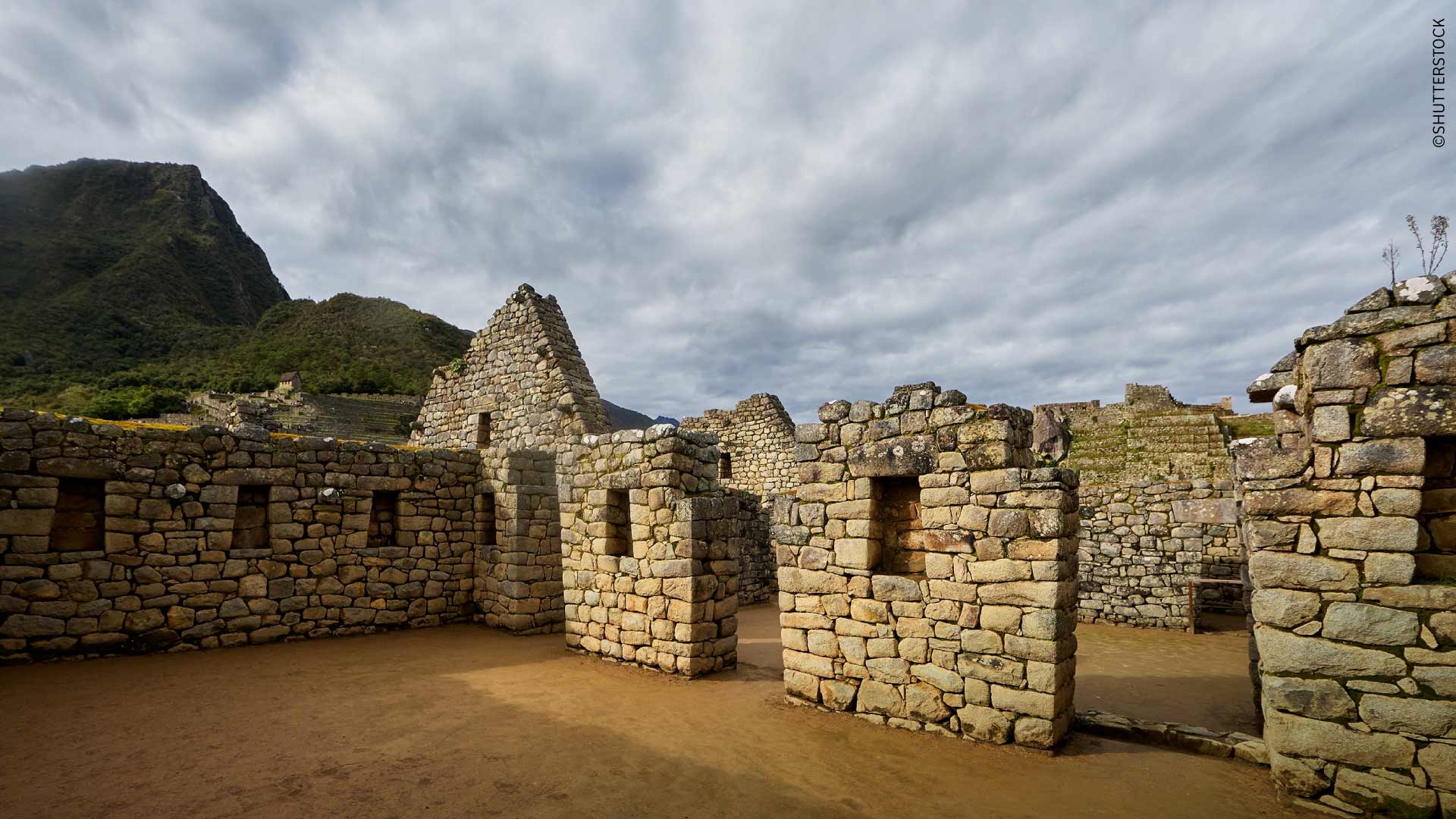
The architectural beauty of Machupicchu. / ©SHUTTERSTOCK
Must-see sites in Machupicchu
During a journey through the sanctuary, visitors witness some of the most fascinating and incredible landmarks in the world. Each holds its own unique history and significance, yet they all share an undeniable architectural beauty.
The Machpicchu National Historic Sanctuary is home to 64 archaeological monuments, divided into two primary areas: the urban zone and the agricultural zone. Each is seamlessly intertwined with the other and harmonized with the natural surroundings.
As you explore the Inka citadel of Machupicchu, two distinct sectors come into focus. The agricultural sector is defined by its iconic terraces, or andenes, which were used to cultivate a variety of crops; located nearby are several small dwellings that likely served as homes for the farmers.
In contrast, the urban sector houses the site's most significant architectural landmarks. These include the Inka’s House, widely considered the most refined, spacious, and masterfully designed residence in the complex; the Sacred Plaza, home to the Main Temple, the Temple of the Three Windows, and a structure used for both residence and storage; the Intihuatana Pyramid, which features the famous sundial; the Three Portals, a residential complex for the elite consisting of three kancha units with double-jamb doorways; and the Temple of the Condor, a ceremonial site featuring a stone representation of the bird and underground passages linked to water rituals.
You might be interested in: The best community-based tourism experiences in Cusco
Flora and fauna
The sanctuary’s allure extends far beyond its history and culture. Machupicchu is home to a diverse and exotic biodiversity, flourishing in the unique transition zone between the high Andes and the Peruvian Amazon. This vibrant ecosystem is further sustained by the Urubamba River, which flows from east to west.
This natural haven provides a habitat for iconic species such as the Andean fox, puma, vizcacha, spectacled bear, and white-tailed deer. The skies are equally alive, hosting over 443 bird species, most notably the Andean cock-of-the-rock and the majestic Andean condor. Additionally, Machupicchu is a sanctuary for approximately 377 species of butterflies, 16 types of amphibians, and 25 varieties of reptiles—including 9 species of lizards and 16 types of snakes.
Spanning more than 30,000 hectares, this Wonder of the World encompasses lush forested areas, rugged mountains, and snow-capped peaks. The flora is equally impressive, featuring tree species such as alder, white cedar, cinchona, yanay, and laurel, as well as specialized high-altitude forests of unca, queñua, and t’asta.
A world of orchids
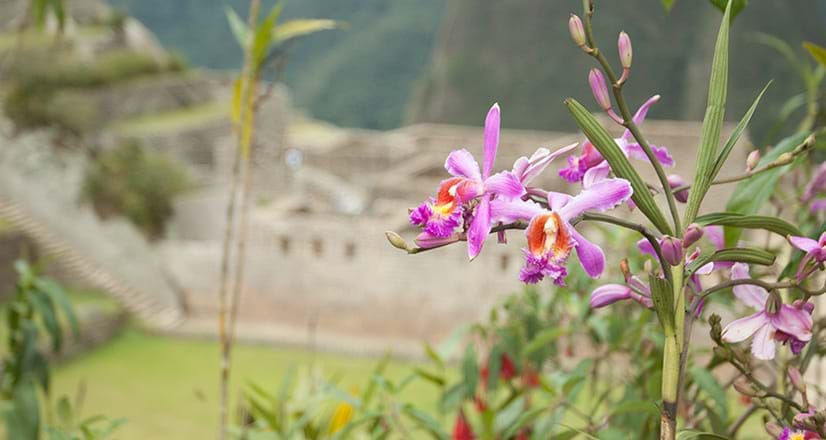
These flowers deserve a chapter of their own. Machupicchu is home to 370 recorded varieties, representing an impressive 20 % of all orchid species identified in Peru. These delicate blooms can be found lining the very trails and paths that wind through the sanctuary, as well as within a dedicated natural reserve near the Vilcanota River. This site boasts the largest collection of native orchids in the world, according to the American Orchid Society.
Waynapicchu
Ascending Waynapicchu Mountain is one of the most memorable adventures any traveler can experience within the Machupicchu Historic Sanctuary. This peak offers far more than just a challenging climb; it is a direct journey into the most enigmatic, mystical, and awe-inspiring spaces left behind by the ancient inhabitants of the Tawantinsuyo. While the incline is steep and the path can be demanding, every step reveals new perspectives, hidden terraces, and structures that stand as a testament to the Inkas’ incredible engineering mastery at the top of the world.
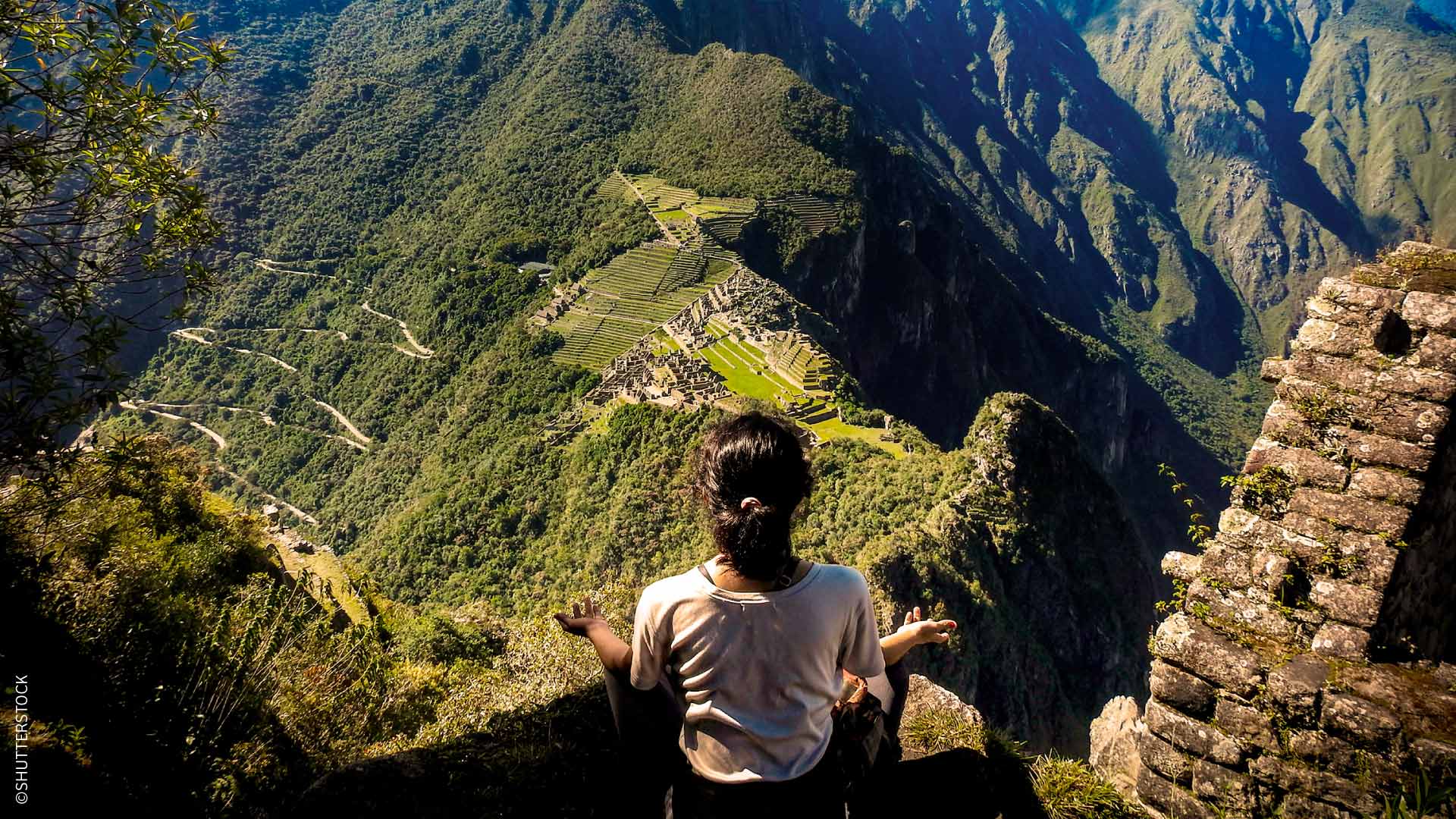
The summit of Waynapicchu Mountain. / ©SHUTTERSTOCK
On the path to the summit, one of the first sights you will encounter are the High Agricultural Terraces—platforms that appear to hang over the abyss, demonstrating how the Inkas utilized every inch of space to cultivate and secure food at extreme altitudes. Further up, the trail narrows, offering unique vistas of the Inka City of Machupicchu, the Urubamba River, and the imposing Vilcanota Canyon. These panoramas establish Waynapicchu as one of the most breathtaking natural viewpoints in the entire valley.
Another of the mountain's most enigmatic spots is the Temple of the Moon, a ceremonial structure nestled within a sacred cave, accessible via a detour from the main path. Its finely carved walls, niches, and polished surfaces reveal the high level of Inka architectural and symbolic sophistication; many visitors consider this one of the most mysterious locations in the sanctuary. Continuing on, you will also find terraces, stairways carved directly into the living rock, and various resting points that allow for quiet contemplation of the landscape.
Ultimately, the summit of Waynapicchu rewards the effort with an unsurpassed panoramic view: Machupicchu reveals itself from its most privileged angle, surrounded by towering peaks, drifting mists, and a majestic silence. Every stone and every stretch of the trail transforms this route into a spiritual and scenic experience that leaves a lasting impression on all who dare to conquer it.

How to get to Machupicchu?
Route 1
Lima-Cusco
1 h 15 min approximately
Cusco-Ollantaytambo
1 h 30 min approximately
Ollantaytambo-Machupicchu
2 h approximately
History of Machupicchu
Located in the heart of the Peruvian Andes, the sacred Inca citadel built around 1450 and discovered in 1911, still hides enigmas and mysteries about its real purpose, which continue to be hidden to this day and which arouse the interest of both visitors and archaeologists from all over the world. the world.
Due to its strategic location at the top of a high mountain, there are various theories about what it could mean for the Incas. Some argue that it was built as a great mausoleum for the Inca Pachacútec, while others claim that it was an important administrative and agricultural center whose cultivation areas served for the livelihood of its inhabitants. However, it is also considered that it was used as a necessary link between the Andes and the Peruvian Amazon or as a resting residence for the Inca governor.
The truth is that Machupicchu is one of the greatest symbols behind what was the impressive architecture and engineering of the Inca Empire. Although its origin is still the subject of study, the value and significance it represented in its time, as well as its imposing design, have earned it to be considered one of the seven wonders of the modern world.

Places of Interest in Machupicchu
During the tour of the sanctuary, one witnesses the most fascinating and incredible attractions. Each one with its own history and meaning, but all with great architectural beauty.
In total, there are around 196 tourist spots within the citadel among archaeological complexes, squares, temples, water fountains, monuments and residences; all intertwined with each other and with the natural environment.
When touring Machupicchu, you can see two well-marked sectors divided by a wall of approximately 400 meters long: one oriented to agricultural purposes and the other more urban. The agricultural area is characterized by the presence of terraces or platforms that were used for the cultivation of various foods. Very close to this area, there are some small houses that could have been the dwelling of farmers.
On the other hand, in the urban area the Royal Residence is located, which was the finest, most extensive and best distributed house in the place; the Plaza Sagrada, the main ceremonial site of the city, the Intihuatana Pyramid, where the great solar clock is located; the Grupo de las Tres Portadas, a group of buildings made up of three large portals and the Grupo del Cóndor, which includes temples for ceremonial use.
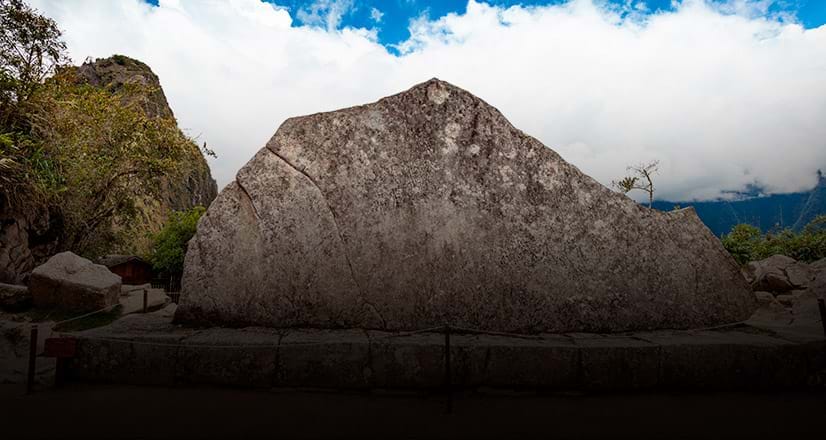
The Sacred Rock
Huge monolith whose dimensions border on three meters in height on a base of seven and is one of the most mystical symbols found in this place. It is believed that it could have been oriented to the study of the stars.
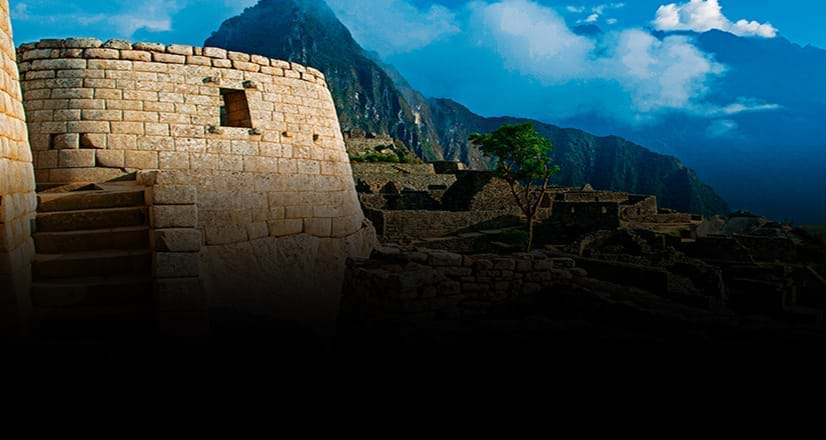
The Temple of the Sun
Sacred enclosure that served for the adoration and worship of the Sun god. Only the priests and the elite of the Empire could enter this temple, who through offerings paid homage to the greater star.
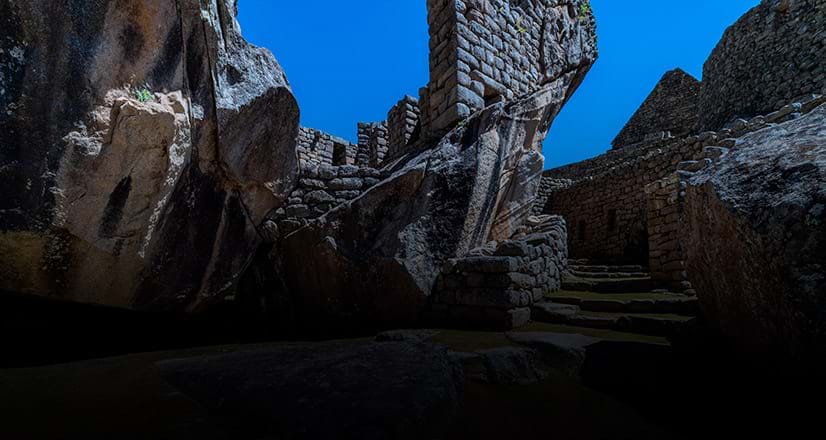
The Temple of Condor
A place that houses a large rock in the shape of this Andean bird: a symbol of power and fertility, and which is part of the Inca trilogy along with the puma and the snake. It is believed that the temple served for the celebration and worship of rituals.
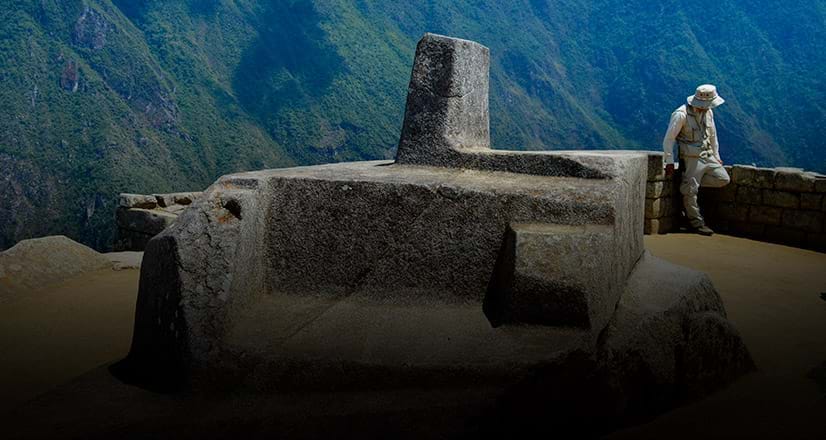
Intihuatana
The best-known monolithic sculpture in Machu Picchu and the most impressive due to its purpose. It is a large solar clock that, through its shadows, was used as an astronomical calendar to measure time and define the beginning and end of the seasons of the year.
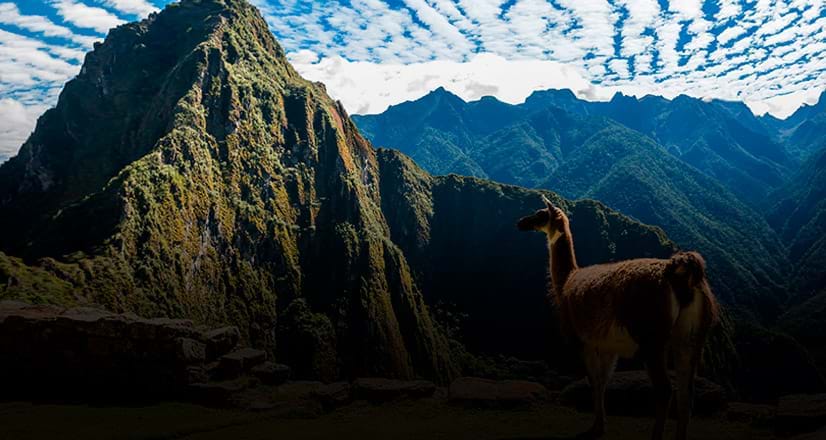
Huayna Picchu
Due to its great height of 2720 meters, this mountain served as a surveillance center for Machu Picchu. From the top, the Incas had a panoramic view of the entire valley and could warn of any eventual attack. The Old Mountain, as it is known, is made up of rocks on which the Incas carved stairs that make up the long path to the summit.
Flora and fauna
Not everything is history and culture in this sanctuary. Machupicchu is home to a varied and exotic biodiversity. This thanks to its location: between the Andes and the Peruvian Amazon, which allows various species to develop. In addition, it has the Urubamba River that crosses it from east to west.
This natural area is home to species such as the Andean fox, puma, vizcacha, spectacled bear, white-tailed deer, among others. In addition to more than 420 species of birds, in which the cock of the rocks and the Andean condor stand out. Additionally, in Machupicchu there are around 377 species of butterflies, 15 of amphibians and 25 of reptiles, of which 9 are types of lizards and 16 snakes.
This wonder of the modern world has more than 30 thousand hectares in which there are wooded areas, steep mountains, peaks and snow-capped mountains. As well as tree species such as alder, white cedar, husk, yanay and laurel; in addition to unca, queñua and t’asta forests.
A world of orchids
These flowers deserve a separate mention, since 370 types have been registered in Machupicchu, which is equivalent to 20% of the species identified in Peru. Orchids are found on the routes and paths that cross the sanctuary; as well as in a natural reserve near the Vilcanota river. Here is the largest collection of native orchids in the world, according to the American Orchid Society.